Thinking about a mountain home you can enjoy in every season? Forest Hills near Cullowhee offers a very specific kind of lifestyle: quiet, residential, close to Western Carolina University, and surrounded by the outdoor rhythm that defines Jackson County. If you are considering a part-time retreat, a second home, or a mountain base that feels more lived-in than resort-driven, this guide will help you understand what seasonal living here actually looks like. Let’s dive in.
Why Forest Hills Feels Different
Forest Hills is a municipal village in Jackson County located directly across NC Highway 107 from Western Carolina University. County materials describe it as a completely residential community made up of WCU faculty, staff, and retirees, with local zoning and subdivision ordinances intended to preserve that residential character.
That matters if you want a setting that feels stable and neighborly instead of heavily visitor-oriented. Forest Hills is best understood as a residential mountain village with open spaces and established homes, not a resort enclave built around short-term turnover.
Seasonal Living Starts With the Setting
One of the biggest draws of Forest Hills is how closely it ties daily life to both campus access and the wider mountain landscape. WCU’s main campus sits in Cullowhee, and the area also connects you to hiking, paddling, biking, camping, and other outdoor recreation throughout the region.
At the same time, the village itself reads as residential first. Jackson County planning documents describe Forest Hills as a community of fine homes and open spaces, with future growth shaped by utilities and topography. For you as a buyer, that can translate into a calmer, more established feel.
What Each Season Feels Like
Seasonal living works best when you know what the year really feels like, not just what a weekend visit suggests. In Forest Hills and nearby Cullowhee, the climate supports four distinct seasons with rainfall spread throughout the year.
Cullowhee climate normals show average highs of 48.2°F in January and 85.8°F in July. Average lows run from 25.5°F in January to 62.8°F in July, and annual precipitation totals 54.18 inches.
Spring in Forest Hills
Spring usually brings comfortable hiking weather and a strong sense of the landscape waking up. But it is smart to remember that spring can stay cool longer than many buyers expect in the mountains.
Freeze tables for Cullowhee show a median last 36°F spring freeze around May 6. If you plan to use your property more heavily in spring, you should expect some chilly shoulder-season mornings well into early May.
Summer Near Cullowhee
Summer tends to be lush, green, and active. Average July highs reach 85.8°F, which gives you warm afternoons without the extreme heat some lower-elevation markets experience.
This is also the wettest stretch of the year. If you are a seasonal owner, summer is a good time to think about regular property checks, drainage awareness, and routine exterior upkeep between visits.
Fall in the Mountains
For many buyers, fall is the season that sells the lifestyle. Crisp mornings, cooler air, and quick access to mountain recreation make this a very appealing time to be in the area.
That said, the seasonal shift comes early. Cullowhee freeze data shows a median first 36°F fall freeze around October 9, so your fall season can turn brisk faster than it might in Charlotte, Wilmington, or other North Carolina markets.
Winter Pace and Planning
Winter brings a quieter pace and colder nights. With an average January low of 25.5°F, you should plan for real winter conditions even if you do not expect severe cold every day.
For part-time owners, that practical planning matters. A seasonal home here may call for more cold-weather preparation than a coastal or urban property, especially if you will be away for stretches of time.
Outdoor Access Shapes Daily Life
A big part of seasonal appeal in Forest Hills is what sits around it. Western Carolina University presents Cullowhee as an outdoor-oriented campus in a scenic Appalachian valley, with access to hiking, biking, backpacking, paddling, rafting, climbing, and even winter trips to ski areas.
Beyond campus, the broader region gives you major public-land access. Nantahala National Forest spans 531,148 acres and includes more than 600 miles of trails, while Great Smoky Mountains National Park offers more than 800 miles of trails and 10 developed frontcountry campgrounds.
For you, this means seasonal living is not limited to sitting on a porch for one good month a year. The area supports an active four-season lifestyle, whether your version of that means trail time, scenic drives, arts and culture, or a quieter mountain base close to it all.
The WCU Influence on Forest Hills
Forest Hills is directly connected to the presence of Western Carolina University. WCU has more than 11,000 students, with more than 4,500 students living on campus, and that nearby campus energy influences the broader Cullowhee area.
In practical terms, this can add convenience and activity without changing the village’s residential identity. You are near university events, arts and culture, and an established local hub, while still being in a community that county sources describe as residential in nature.
What Homes Typically Look Like
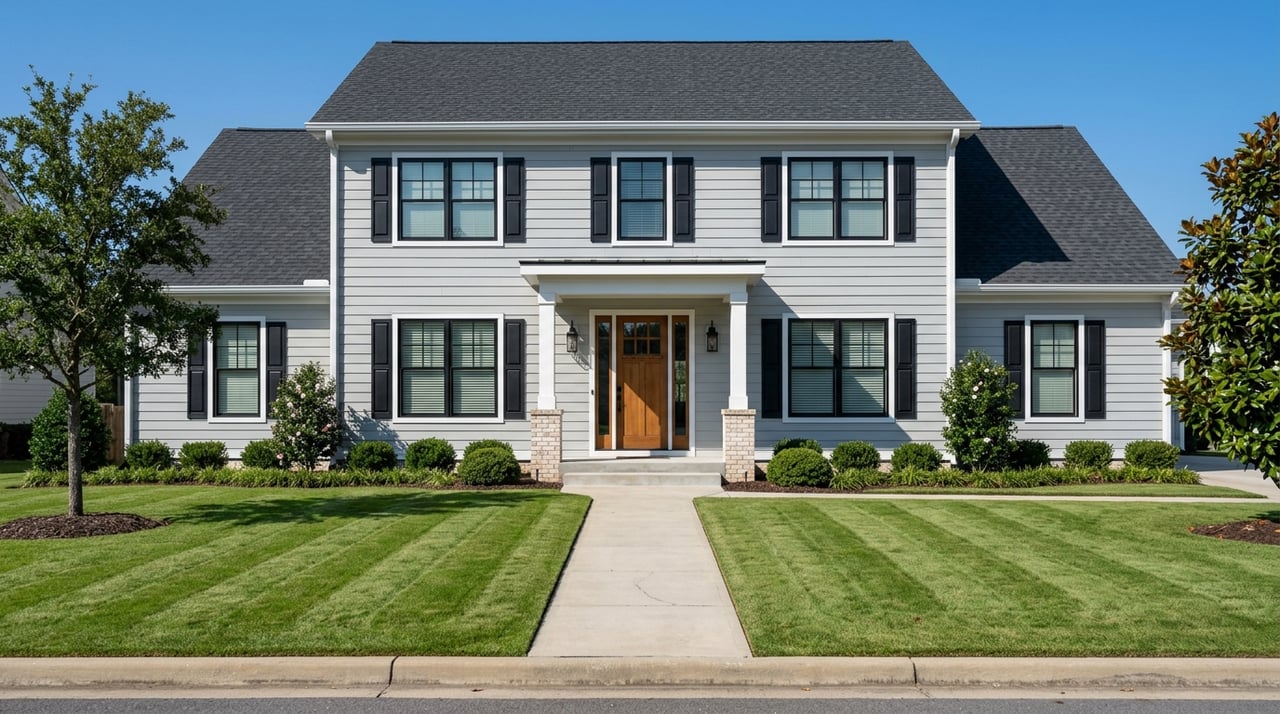
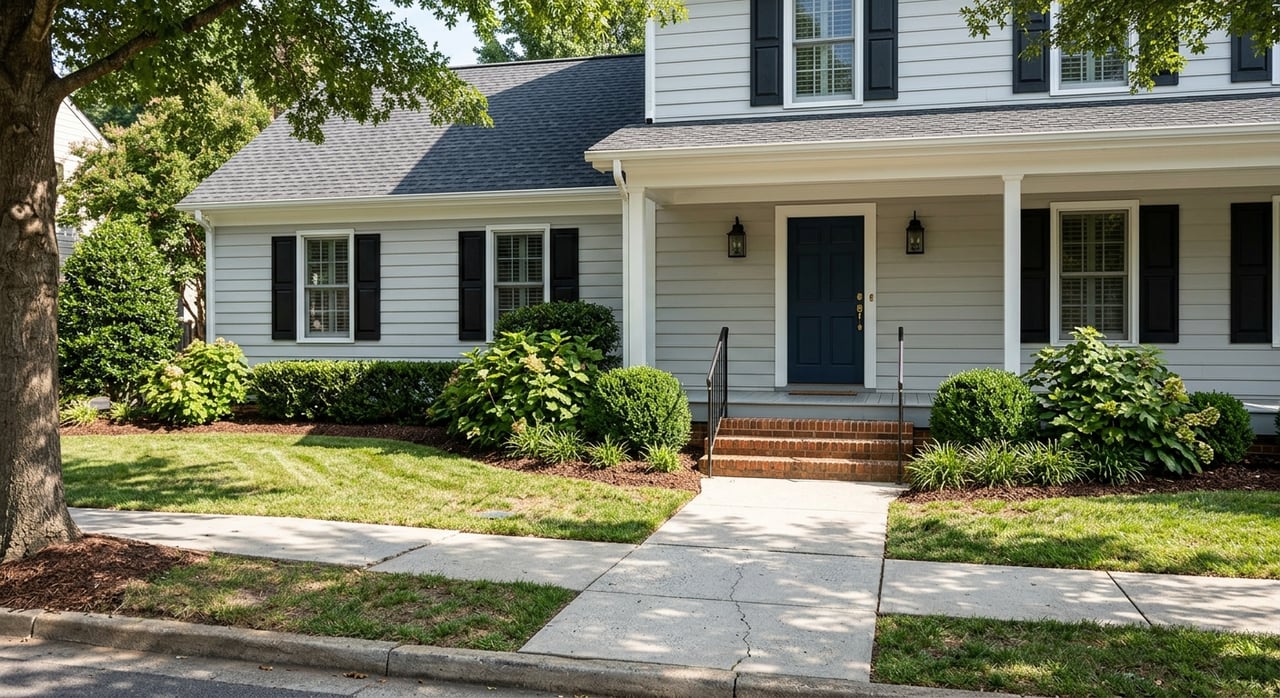
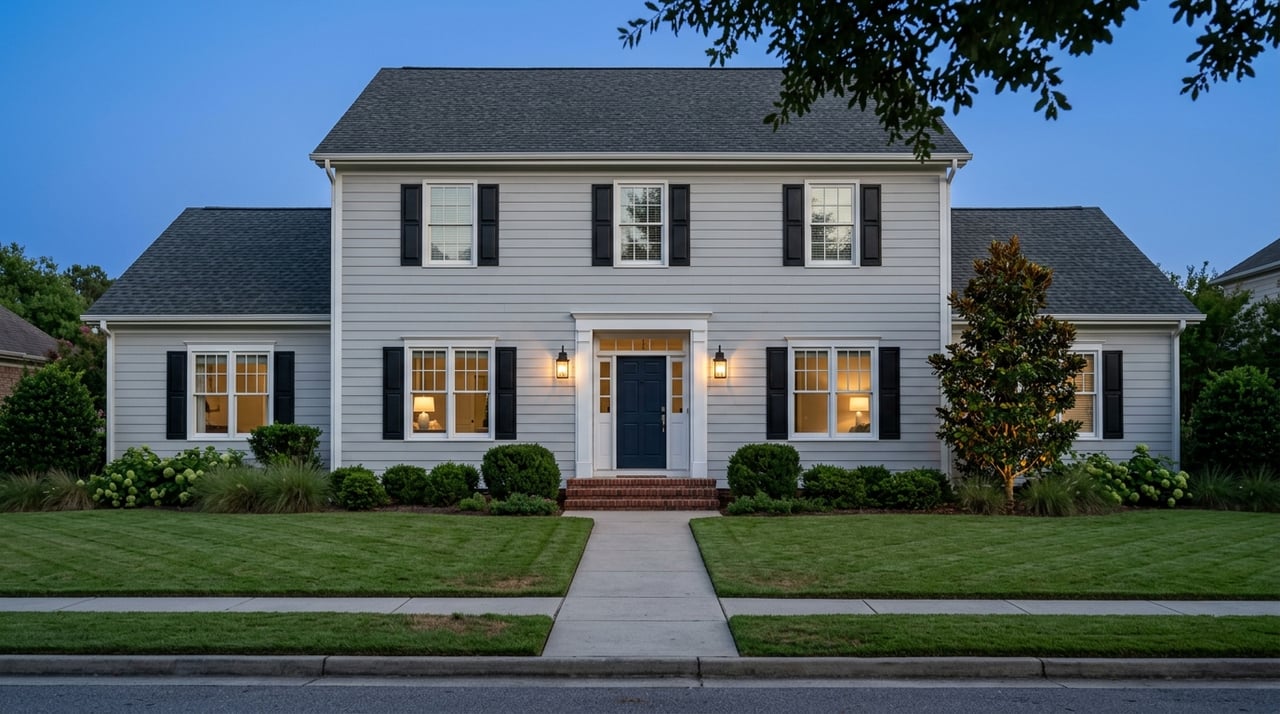
If you are picturing dense condo development or a resort-style inventory mix, that is not the clearest fit for Forest Hills itself. The strongest evidence in county records points to a primarily detached single-family housing pattern.
Jackson County property and zoning materials show Forest Hills tied to residential districts such as R-1 and R-2. A county property example in Forest Hills reflects a one-story single-family home on a 0.70-acre lot with water, septic, and a private paved road, which helps illustrate the lot-based, established-home pattern common in the village.
Expect Mature Residential Homes
The housing story here leans toward mature mountain homes and open-space surroundings. County planning documents describe Forest Hills as a community of fine homes and open spaces, with limited room for dense infill due in part to topography and utility realities.
That can be appealing if you value privacy, a more settled neighborhood pattern, and a home that feels integrated into the landscape. It also means your search may look different from a search focused on newly built resort inventory or high-density second-home communities.
Is Forest Hills a Good Fit for Part-Time Living?
For the right buyer, yes. Forest Hills can make sense if you want a mountain property that supports a primary-home-plus-getaway strategy, especially if your main residence is in a city or on the coast and you want a quieter seasonal base in Western North Carolina.
Its strongest appeal is the mix of residential stability, immediate proximity to WCU, and easy reach to the region’s recreation network. In other words, you are not buying only for one peak season. You are buying into a setting that offers year-round use with a different rhythm each time you visit.
What to Think Through Before You Buy
Seasonal living works best when you match the property to your actual use patterns. In Forest Hills, a thoughtful search should focus on how often you plan to be there and what kind of maintenance rhythm fits your life.
Here are a few practical questions to ask:
- Will you visit most often in summer, fall, or year-round?
- Are you comfortable with cooler spring and winter conditions?
- Do you prefer an established single-family home over a more lock-and-leave setup?
- How important is immediate proximity to WCU and Cullowhee?
- Do you want a mountain base centered on outdoor access, campus culture, or both?
These questions can help you narrow the right property type and the right expectations before you start touring.
Why Buyers Look Here
Many mountain buyers are trying to balance lifestyle and practicality. Forest Hills offers a version of that balance through a residential setting, access to WCU, and a location that puts some of Western North Carolina’s best-known recreation areas within reach.
If you want a place that feels rooted, scenic, and usable across the calendar, this area deserves a close look. It is not trying to be a resort, and for many buyers, that is exactly the point.
If you are exploring second-home options, mountain living patterns, or a seasonal property strategy that fits your bigger real estate goals, Olivia Galarde can help you think through the details with a clear, personalized approach.
FAQs
What is Forest Hills near Cullowhee like for seasonal living?
- Forest Hills is a residential village in Jackson County near Western Carolina University, and it is best suited to buyers who want a quiet mountain setting with year-round lifestyle appeal rather than a resort environment.
What kind of weather should part-time owners expect in Forest Hills?
- You should expect four distinct seasons, with average January lows of 25.5°F, average July highs of 85.8°F, year-round rainfall, a median last spring 36°F freeze around May 6, and a median first fall 36°F freeze around October 9.
What types of homes are common in Forest Hills?
- The available county evidence points most clearly to detached single-family homes on lots, with Forest Hills zoning and planning materials reinforcing a residential, low-density pattern.
How does Western Carolina University affect living in Forest Hills?
- WCU adds nearby access to campus events, arts and culture, and daily convenience, while Forest Hills itself remains described by county sources as a residential community.
Is Forest Hills more residential or visitor-oriented?
- County materials describe Forest Hills as a completely residential community, which makes it feel more like a lived-in mountain village than a visitor-focused destination.
What outdoor activities are accessible from Forest Hills near Cullowhee?
- From Forest Hills, you have access to the recreation network promoted by WCU and the region, including hiking, biking, paddling, camping, rafting, and nearby public lands such as Nantahala National Forest and Great Smoky Mountains National Park.