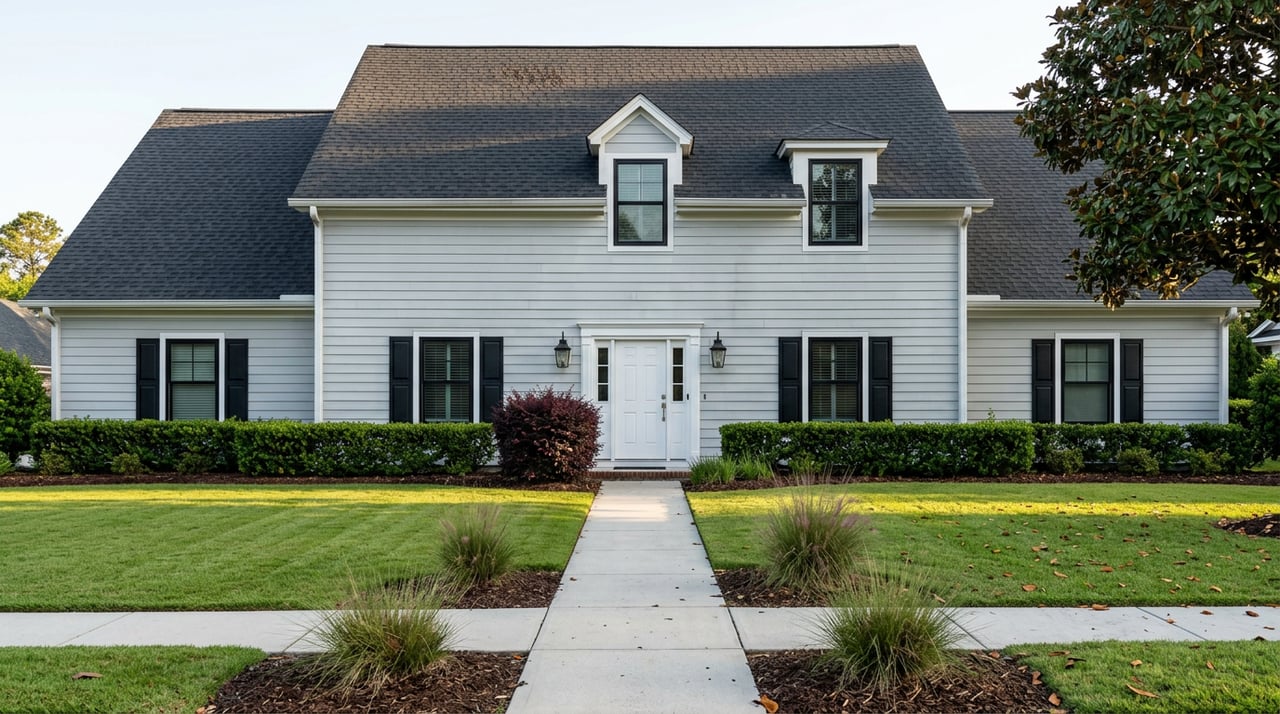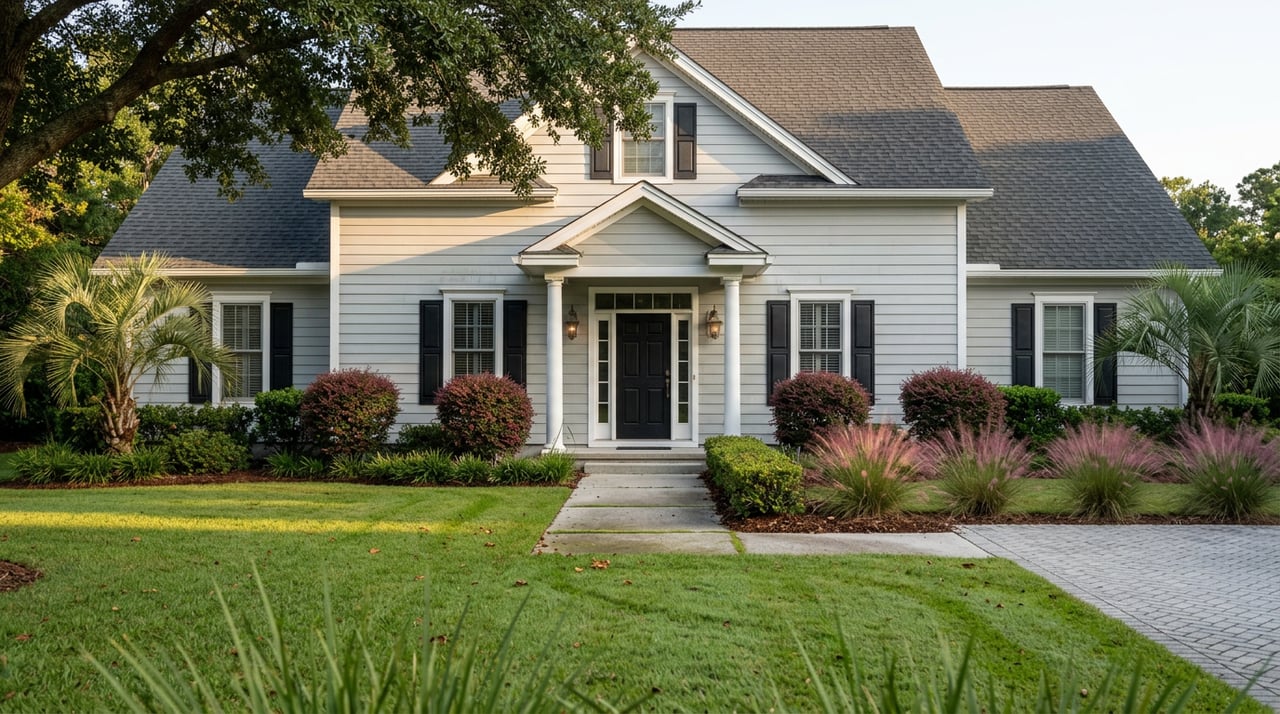
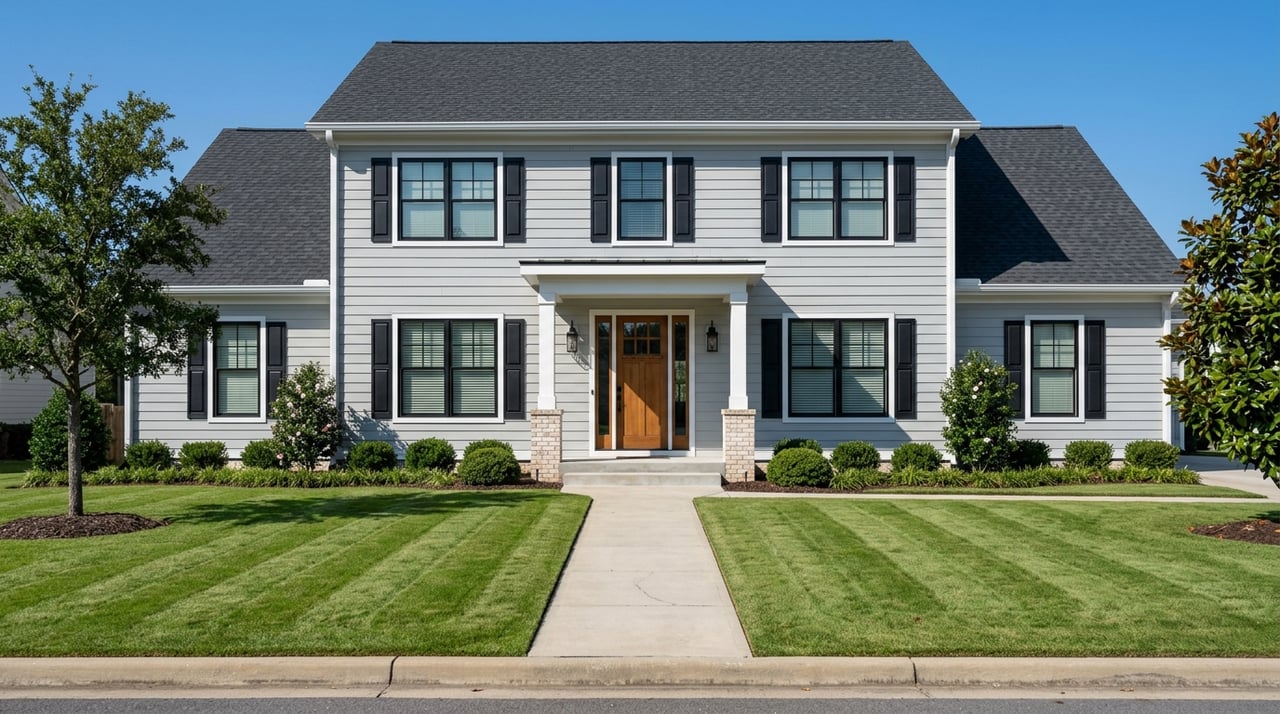
If you are buying in one of Leland’s newer communities, it is easy to focus on the floor plan, finishes, and amenity brochure. But if you want to make a smart move, you also need to ask a bigger question: how well could this home resell later? In a fast-growing place like Leland, resale potential is shaped by more than curb appeal alone. This guide will help you look at the factors that can support future value, the risks to watch, and the questions to ask before you make an offer. Let’s dive in.
Why Leland draws buyer attention
Leland has been growing at a striking pace. The Town of Leland reported a certified population of 33,065 in 2024, which was up 44.33% from 2020, and Census QuickFacts later estimated 35,731 residents as of July 1, 2025. Brunswick County also reached 169,448 residents, up 24% since 2020, and the N.C. Office of State Budget and Management identified Brunswick as the fastest-growing county in the state.
That kind of growth helps explain why newer communities continue to attract attention. More people moving into the area can create a larger future buyer pool, especially in places that offer newer homes, modern layouts, and neighborhood amenities. Still, growth alone does not guarantee appreciation or easy resale, so it is important to look at the full picture.
Price position matters
One reason Leland stands out is its relative affordability compared with nearby Wilmington. Redfin reported a median sale price of $406,000 in Leland last month, compared with $467,000 in Wilmington. Realtor.com also described Brunswick County as a balanced market in March 2026, with about 5,300 homes for sale, a median listing price of $439,000, and a median 63 days on market.
For you as a buyer, that pricing gap can matter. A community that offers newer inventory at a lower entry point than some Wilmington submarkets may stay attractive to future buyers who want more home or newer construction without paying as much. That does not mean every new neighborhood will perform the same way, but it does give Leland a practical resale advantage in the broader coastal market.
What supports resale in new communities
Amenities can widen your buyer pool
In newer master-planned communities, amenities often help future buyers picture a complete lifestyle. Brunswick Forest is a 4,500-acre community with on-site recreation and services. Compass Pointe promotes a gated, resort-style setting with golf, a lazy river, pools, trails, wellness space, and a dog park, while Waterford connects 19 neighborhoods with pathways, waterways, tennis, pickleball, fitness, and swimming.
From a resale standpoint, that kind of recognizable community identity can help. When a neighborhood offers multiple lifestyle features that remain useful over time, it can appeal to a wider range of buyers. The key is whether those amenities still feel well-kept and relevant when you are ready to sell.
Builder reputation matters more than many buyers realize
A beautiful home can lose some of its shine if early maintenance problems show up. In North Carolina, NC REALTORS notes that builders are not required by state law to provide a written one-year warranty on new construction. The standard North Carolina new-construction form does include a one-year limited warranty for faulty construction, labor, or materials, but it applies only to the original buyer and is not assignable.
That matters for resale because future buyers may look closely at the builder’s track record. A builder known for responsive service, solid finish quality, and good warranty handling can strengthen buyer confidence. If a community has a weaker reputation for repairs or workmanship, resale can become more complicated even if the homes look similar on paper.
Community identity can outlast the first owner
The strongest newer communities often feel like real neighborhoods, not just a collection of lots. Leland’s planning framework, including Leland 2045, the Green Network Plan, the Age-Friendly Plan, and the Integrated Mobility Plan, emphasizes open-space preservation, connected streets, walking and biking, transit access, and a more connected community over the next 25 years. Brunswick County’s Unified Development Ordinance also aims to preserve neighborhood character, maintain a range of housing choices, lessen congestion, encourage environmentally responsible development, and accommodate growth.
For resale, this long-range planning matters. Communities that fit into a broader civic vision may hold buyer interest more effectively than places that feel disconnected from surrounding infrastructure and public investment. When you buy into a neighborhood with a coherent setting, you may be buying into a stronger long-term story as well.
What can weaken resale potential
Carrying costs can change buyer demand
Resale value is not only about purchase price. Future buyers will also look at the monthly cost of owning the home, including taxes, dues, and insurance. Brunswick County’s FY 2025-2026 property tax rate is 0.3420, and the Town of Leland’s FY 2026-2027 budget lowered the town rate to 25 cents per $100 from 27 cents, bringing the combined in-town rate to about 59.2 cents per $100 before special districts and HOA dues.
HOA costs deserve special attention in newer communities with large amenity packages. The North Carolina new-construction contract also reminds buyers that owners’ association assessments can become liens against the property. If dues are high, or if buyers worry about future assessments, that can affect resale appeal and monthly affordability.
Flood exposure is address-specific
In a coastal county, flood risk should never be assumed based on marketing materials. FEMA identifies its Flood Map Service Center as the official source for flood maps. FEMA also notes that homes in areas with a 1% annual chance of flooding face roughly a one-in-four chance of flooding during a 30-year mortgage.
That is why flood zone review should happen at the property level, not the subdivision level. Two homes in the same community may have different flood exposure, insurance costs, and lender requirements. If you want to protect future resale, this is one of the most important details to verify early.
Growth brings benefits and pressure
Public investment can support long-term appeal, but it also reflects how much demand the area is absorbing. Brunswick County is expanding the Northwest Water Treatment Plant from 24 MGD to 48 MGD and adding low-pressure reverse osmosis capacity. The county also approved a 380-acre reservoir site in the Leland area, while the town has roadway resurfacing, utility extension, park, and fire-station projects underway.
That is generally a sign of a community planning for growth, which can be positive. At the same time, it means nearby construction, infrastructure work, and future phases may affect your day-to-day experience or buyer perception later. A home next to long-term development activity may be viewed differently than one in a more settled section of the same area.
How to evaluate resale before you buy
If you are comparing homes in Leland’s new communities, it helps to think like a future buyer today. That does not mean trying to predict the market perfectly. It means choosing a property with features and costs that are easier to explain and justify when it is time to sell.
Here are some practical points to review:
- Builder history: Ask who built the home, what written warranty exists, and what deadlines apply for any warranty claims.
- Amenity value: Look at whether the community’s amenities are broad enough to stay attractive over time.
- HOA structure: Review what dues cover, whether there are rental limits or architectural controls, and whether special assessments are possible.
- Flood review: Check the specific lot in FEMA mapping and understand how that may affect insurance and financing.
- Nearby projects: Ask what road, utility, or future-phase work is planned nearby.
- Price fit: Compare the asking price with current local medians to see whether the home is entering the market at a competitive level.
Don’t overlook school assignment verification
If school assignment matters to your household, verify it by address before closing. NC DPI says school report cards provide school- and district-level data, but they do not tell the whole story. EDDIE is the authoritative source for North Carolina public-school directory information, and Brunswick County Schools also publishes a district schools map and redistricting resources.
The important takeaway is simple: do not rely on a community name or marketing sheet to determine school assignment. Confirm the exact address-level information yourself during due diligence. That step helps you make a clearer decision now and avoid surprises that could matter to future buyers later.
The bottom line on resale in Leland
Leland’s newer communities can offer solid resale potential, especially when they combine strong community identity, useful amenities, manageable carrying costs, and a location that benefits from the area’s long-term growth. The town’s population growth, countywide investment, and pricing position relative to Wilmington all help explain why buyers continue to look closely at this market.
Still, not every new community will age the same way. The homes most likely to hold buyer interest are usually the ones backed by a reputable builder, sensible dues, address-level flood diligence, and a neighborhood setting that still feels appealing after the first owner has moved on. If you want to buy with both today and tomorrow in mind, careful local guidance can make a real difference.
If you are weighing new communities in Leland and want help comparing resale potential, builder reputation, and true carrying costs, reach out to Olivia Galarde for a personalized consultation.
FAQs
What affects resale potential in Leland’s new communities?
- Resale potential often depends on builder reputation, amenity quality, monthly carrying costs, flood exposure, and how well the community fits into Leland’s long-term growth and planning framework.
Are newer homes in Leland more affordable than Wilmington homes?
- Recent market data showed a median sale price of $406,000 in Leland compared with $467,000 in Wilmington, which can make Leland appealing to buyers seeking newer homes at a lower entry point.
Why do HOA dues matter for Leland resale value?
- HOA dues affect monthly affordability, and higher dues or possible assessments can change how future buyers view the home’s value and long-term cost of ownership.
Should you check flood zones for a home in Leland?
- Yes. In Brunswick County, flood exposure should be reviewed by exact address because insurance needs, lender requirements, and long-term resale appeal can vary from lot to lot.
How do you verify school assignment for a Leland home?
- You should confirm school assignment by exact property address using current North Carolina and Brunswick County school resources rather than relying on subdivision marketing.
What should you ask a builder before buying in a new Leland community?
- You should ask what written warranty applies, whether the builder has clear warranty claim deadlines, and how the builder has handled service and repair issues for prior buyers.