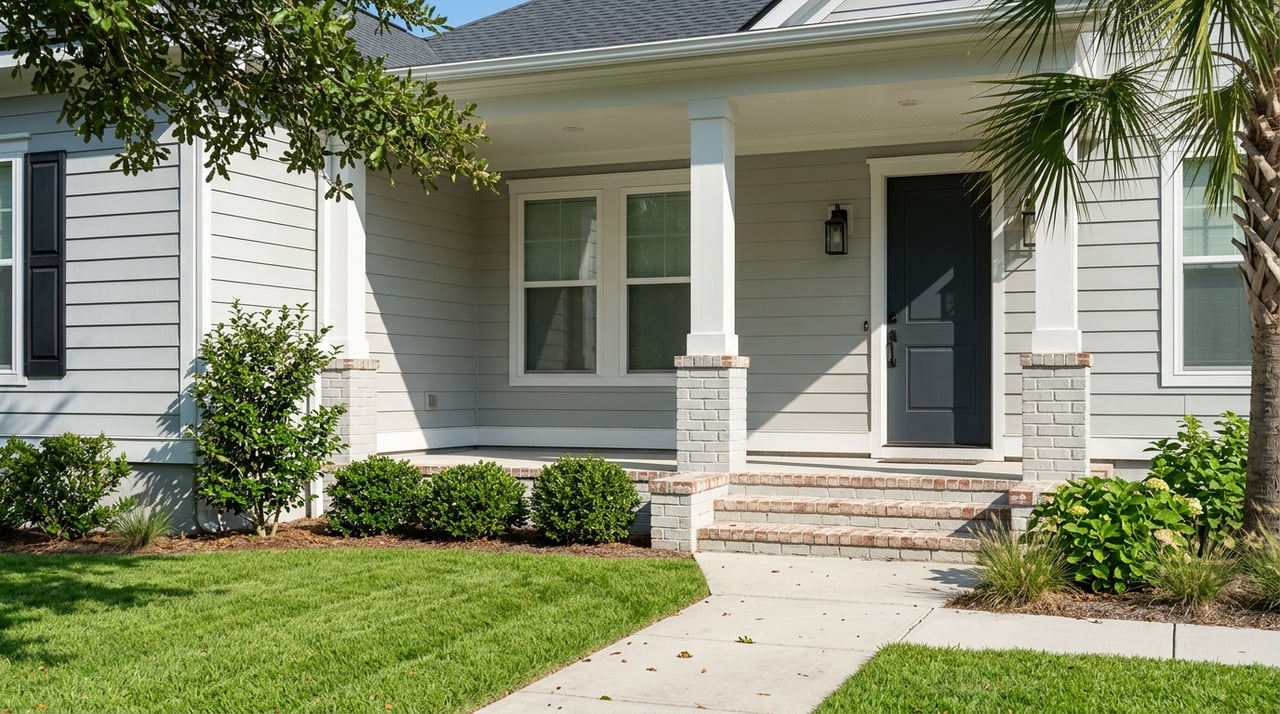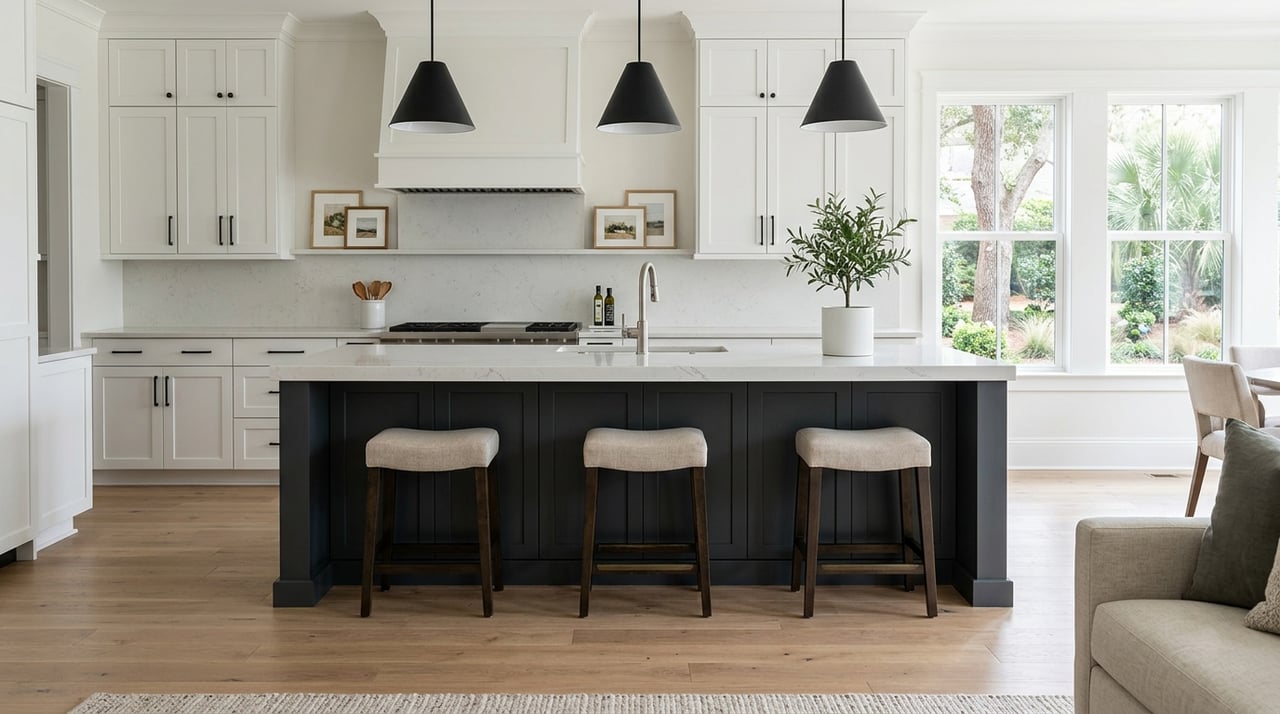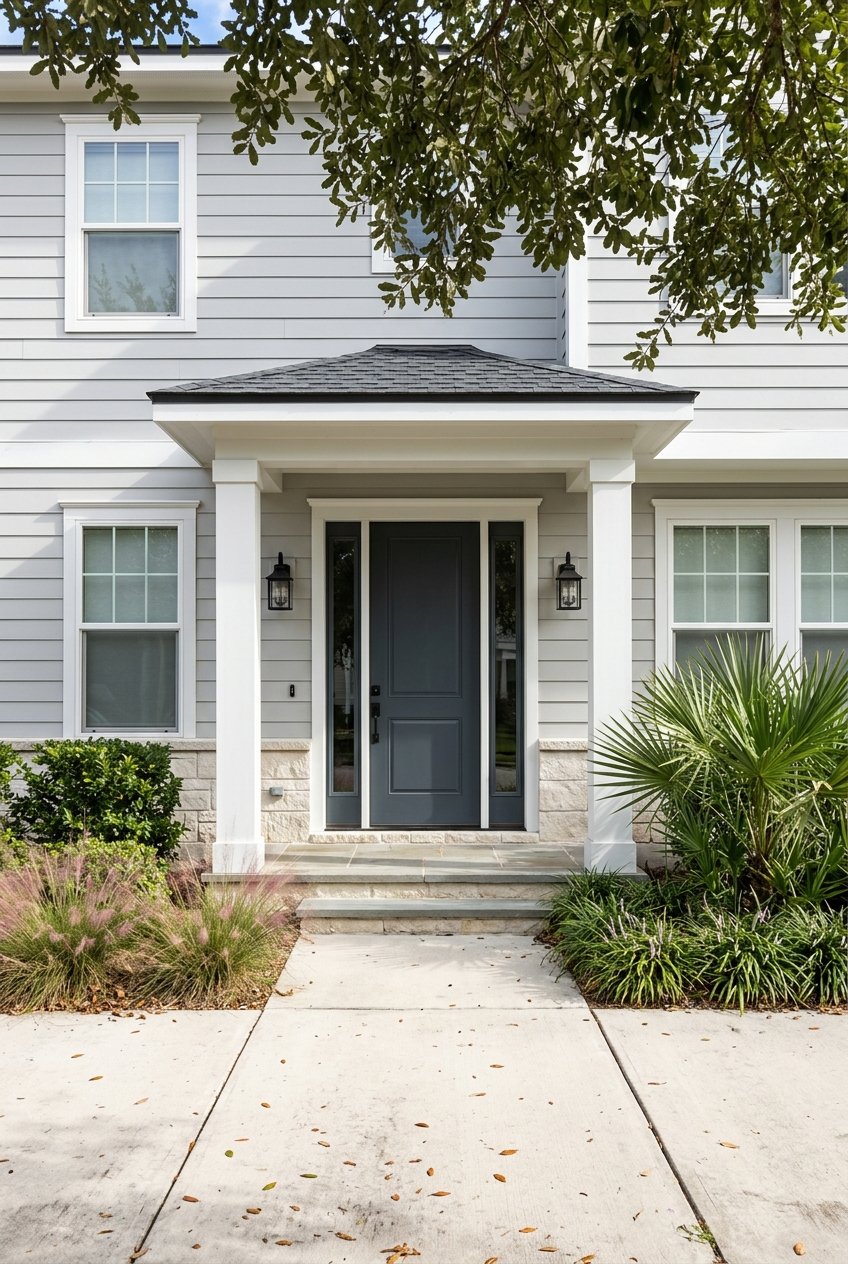
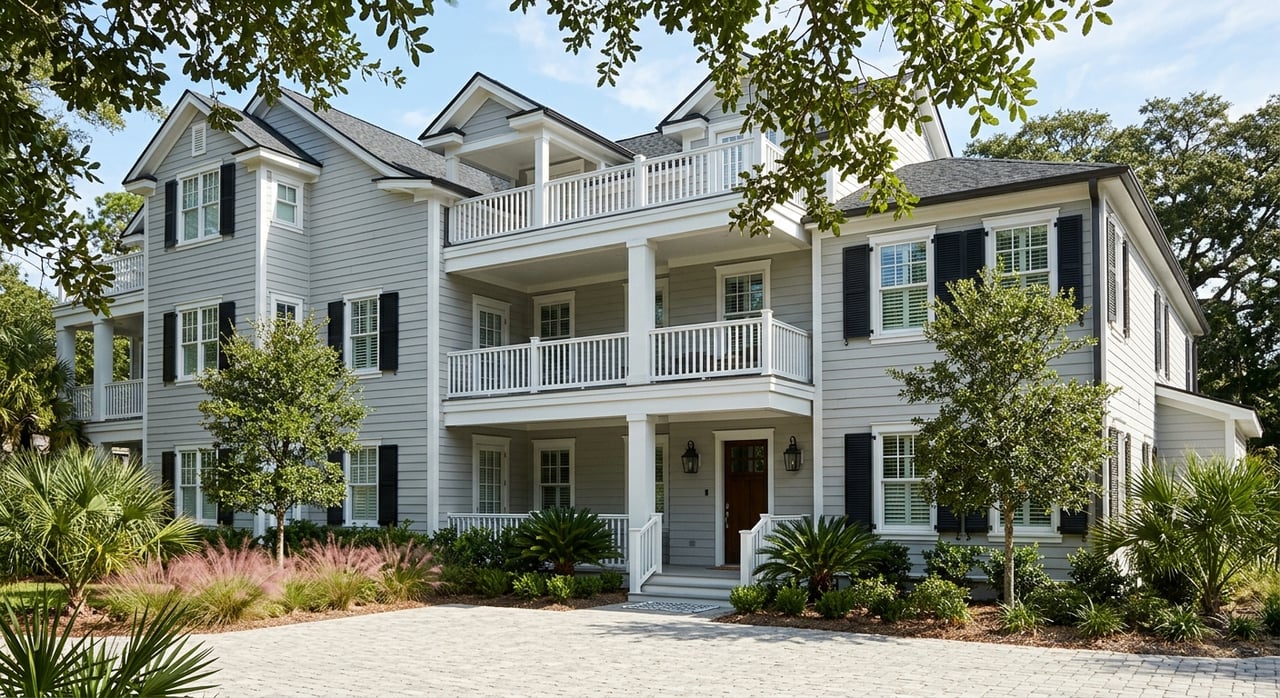
Choosing a place at Wrightsville Beach often comes down to one big question: do you want the simplicity of a condo or the independence of a cottage? If you are dreaming about a full-time home, a second home, or a property you may rent at times, that choice affects your daily routine, upkeep, flexibility, and long-term planning. The good news is that each option can work well, as long as it matches how you want to live and use the property. Let’s dive in.
Condo vs cottage basics
At Wrightsville Beach, condos and cottages usually represent two very different ownership setups. A condo is a separate parcel of real estate that also includes an interest in shared common elements. In North Carolina, each condo unit is separately assessed and taxed, and owners generally cannot change the exterior appearance of the unit or common elements without association approval.
A cottage or detached house usually gives you more direct control over the home and site. That often means fewer approvals for exterior decisions and more freedom in how you manage the property. Still, some cottages are part of an HOA or planned community, so the recorded rules and covenants still matter.
How much control do you want?
This is often the heart of the decision. If you like structure, shared systems, and a more predictable maintenance setup, a condo may feel like the easier fit. If you want more autonomy and a stronger sense of managing your own beach property, a cottage may be more appealing.
With a condo, the association is responsible for maintaining, repairing, and replacing the common elements, while you remain responsible for your unit. That sounds simple, but the details are important because items like decks, porches, balconies, patios, exterior doors, and windows can be classified as limited common elements assigned to a specific unit. In practice, that can make condo ownership feel more regulated than detached-home ownership.
With a cottage, you are usually making more of the decisions yourself. That can be a real advantage if personalization matters to you. It also means you are likely taking on more direct responsibility for the home’s exterior, systems, and site conditions.
Upkeep looks different for each
A condo often appeals to buyers who want a lower-maintenance beach base. Shared upkeep is a major reason many second-home buyers start there. When the association handles common elements, the day-to-day burden can feel lighter.
A cottage tends to be a better fit if you are comfortable being more hands-on. You may have more control, but you also have more to monitor and maintain. At the beach, that can include everything from exterior wear to storm-related issues and routine property care.
No matter which property type you choose, coastal ownership comes with another layer of planning. Wrightsville Beach’s housing code points to the North Carolina State Building Code, Fire Prevention Code, CAMA, and the Federal Flood Insurance Program, and it specifically says special attention should be paid to windstorm-resistive construction. The town also states that no building may be occupied without a proper occupancy permit.
Insurance and repair questions matter
Before you buy, it is worth getting very clear on who handles what. In a condo, the association must carry property and liability insurance for the common elements. In buildings with horizontal boundaries, that coverage generally extends to the units to the extent reasonably available.
That does not mean every repair question is automatically simple. You should still ask who pays for the roof, siding, windows, decks, balconies, HVAC lines, and any flood-related repairs. The dividing line between your unit, limited common elements, and association responsibility can affect both your budget and your peace of mind.
With a cottage, insurance planning is often more direct because you are typically managing more of the property yourself. But direct control also means direct responsibility. At Wrightsville Beach, coastal durability, wind exposure, and flood-related planning should be part of your evaluation from day one.
Rental plans can change the answer
If you are thinking about renting the property, condo versus cottage is only part of the story. The more important question is what the governing documents and local rules allow. In North Carolina, a planned community’s declaration, bylaws, and articles of incorporation are enforceable by their terms, so the exact language matters.
This is why condos often come with more document-based rental restrictions. A cottage may offer more flexibility, but only if it is not subject to restrictive HOA rules or other recorded covenants. You should verify leasing terms, minimum stays, guest rules, pet rules, and occupancy expectations before you assume a property fits your rental goals.
For short-term rentals in New Hanover County, every operator furnishing a taxable accommodation is subject to room occupancy tax. The county lists Wrightsville Beach room occupancy tax at 6%, and monthly sales reports must be submitted by the 20th day after the reporting month. If rental income is part of your plan, those administrative and cash-flow details deserve attention early.
Wrightsville Beach rules still apply
Some buyers assume a detached cottage means fewer rules across the board. In reality, more independence does not remove local compliance requirements. At Wrightsville Beach, both condos and cottages must still fit the town’s housing, occupancy, and wind- and flood-related rules.
That matters even more if you plan to rent the property. The town requires smoke detectors in all rental units, with at least one detector within 10 feet of each bedroom. The town also says it is unlawful to operate a place of business in violation of the State Building Code’s maximum occupancy rates.
In other words, a cottage may feel more flexible, but it still operates within the same coastal environment and local framework. A condo may feel more structured, but some of that structure can help clarify maintenance and operational responsibilities. The better choice depends on how much freedom you want balanced against how much oversight and shared administration you are comfortable with.
Lifestyle fit at the beach
Your ideal property type often becomes clearer when you think about how you will actually use it. A condo usually fits buyers who want a lock-and-leave property, shared upkeep, and a more amenity-driven or communal setup. That can work especially well for seasonal use or buyers who do not want to manage every detail themselves.
A cottage usually fits buyers who value privacy, room to personalize, and a more independent beach-home feel. If you picture yourself wanting more control over the property and are comfortable with the added upkeep, a cottage may be the stronger match.
The key is to line up the ownership model with your lifestyle. If convenience and predictability matter most, a condo often makes sense. If privacy and control matter more, a cottage may be the better answer.
Questions to ask before you buy
Before you commit to either path, make sure you get specific answers to a few important questions:
- What do the condo documents or HOA covenants say about leasing, guest stays, pets, and exterior changes?
- Who is responsible for the roof, siding, windows, decks, balconies, and repair costs after storm or flood damage?
- What are the current dues, reserve levels, and any history of special assessments?
- If you plan to rent, how will the 6% room occupancy tax and monthly reporting affect your budget and process?
- How is the property positioned for wind, flood, and coastal durability planning under Wrightsville Beach rules?
These questions can help you move beyond the surface-level appeal of a property and focus on how it will function for you long term.
In the end, the Wrightsville Beach condo-versus-cottage decision is usually a choice between convenience and control. Neither option is automatically better. The right fit is the one that supports how you want to live, maintain, and possibly rent your beach property. If you want help comparing options and reading the details that matter, connect with Olivia Galarde.
FAQs
What is the main difference between a condo and a cottage at Wrightsville Beach?
- A condo combines ownership of your unit with shared ownership of common elements, while a cottage usually gives you more direct control over the home and lot.
Are Wrightsville Beach condos easier to maintain than cottages?
- Often, yes. Condo associations typically maintain common elements, while cottage owners usually take on more direct property upkeep themselves.
Can you rent out a condo or cottage at Wrightsville Beach?
- Possibly, but you need to verify the governing documents and local rules because leasing terms, minimum stays, and other restrictions can vary by property.
What taxes apply to short-term rentals in Wrightsville Beach?
- In New Hanover County, operators furnishing taxable accommodations are subject to a 6% room occupancy tax, and monthly sales reports are due by the 20th day after the reporting month.
Do Wrightsville Beach cottages have fewer rules than condos?
- They may have fewer condo-style restrictions, but they still must comply with applicable HOA rules if present and with Wrightsville Beach housing, occupancy, wind, and flood-related requirements.
What should you review before buying a Wrightsville Beach condo?
- You should review the association documents, maintenance responsibilities, insurance setup, dues, reserve levels, assessment history, and any rental restrictions that could affect your plans.