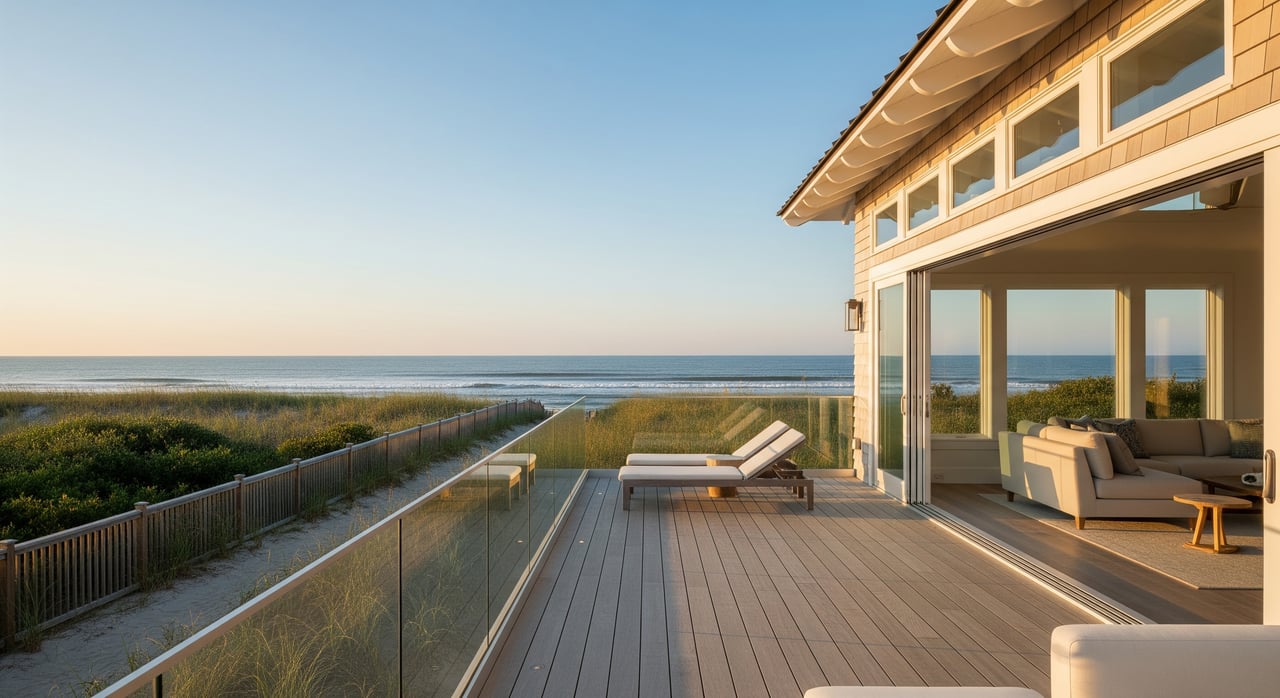
Dreaming about salty breezes and a quick escape to Wrightsville Beach, but unsure how to finance it? You are not alone. Second-home loans play by different rules than primary residences, and the coastal setting adds a few extra layers. In this guide, you will learn the loan types that fit most Wrightsville Beach purchases, what lenders expect from you, and the coastal factors that can affect approval and costs. Let’s dive in.
Why second-home loans are different
Lenders view second homes as a higher risk than your primary residence. You will often see tighter requirements such as larger down payments, stronger credit, and cash reserves. These rules are still more flexible than investment-property loans, which come with even higher hurdles.
In a beach market with limited inventory and premium pricing, it pays to plan ahead. A clear plan helps you qualify smoothly and make confident offers.
Common loan options for Wrightsville Beach
Conventional second-home loans
Conventional loans backed by Fannie Mae or Freddie Mac are the most common path for second homes. Expect:
- Down payment typically in the 10% to 20% range depending on your profile and the property.
- Credit score expectations often 680 to 720 or higher for best terms.
- Mortgage reserves equal to several months of payments, often 6 to 12 months.
- Debt-to-income (DTI) limits that can be stricter than for a primary home.
Private mortgage insurance on less than 20% down may be allowed by some lenders, while others require 20% or more. Policies vary, so compare quotes.
Jumbo loans for higher-priced homes
Wrightsville Beach pricing often exceeds the county’s conforming loan limit, which can trigger a jumbo loan. Jumbo programs usually require stronger credit, larger reserves, and a larger down payment, often 20% or more. Interest rates and fees can be slightly higher than comparable conforming loans.
FHA, USDA, and VA
These programs are designed for primary residences. FHA and USDA generally do not allow second homes, and VA loans are typically intended for a veteran’s primary residence except in limited cases.
Investment-property loans
If you plan to rent the property frequently, especially short-term, many lenders will classify it as an investment property. Expect higher down payments, higher rates, and stricter reserve and DTI rules. Your intended use is key to choosing the right product.
What lenders look for
Your cash and credit picture
- Down payment: Plan for 10% to 20% for many second-home programs. Jumbos and unique properties may need more.
- Credit score: Stronger scores help with pricing. A 680 to 720 minimum is common, with better terms above that.
- DTI: Lenders often want a lower DTI than they accept on a primary home. Many cap it under 45% depending on the file.
- Reserves: Expect to document several months of full mortgage payments in liquid assets. Jumbos or high-risk areas may require more.
Documentation you will need
- Photo ID and Social Security number or ITIN.
- Income documents: recent pay stubs and W-2s, or full tax returns if self-employed.
- Asset statements for the last 2 to 3 months and explanations for large deposits.
- Statements for any other mortgages.
- Purchase contract and HOA documents if applicable.
- Insurance quotes and a preliminary flood zone determination.
Gift funds and fees
Some programs allow gift funds toward your down payment on a second home, though rules vary by lender. Also expect rates and fees to be modestly higher than a comparable primary residence loan.
Coastal factors that affect approval
Flood insurance requirements
If the home is in a Special Flood Hazard Area on FEMA maps, lenders will require flood insurance. Premiums can vary based on elevation, construction features, and the property’s exact location. Even if the home is not in a mapped high-risk zone, many coastal buyers choose coverage. High premiums can influence your DTI and reserves, so get quotes early.
Wind and hurricane coverage
Coastal North Carolina sees elevated wind and storm risk. Some properties need separate wind or hail policies, and deductibles may be higher than you are used to. Lenders will confirm that appropriate coverage is available and in place before closing.
Appraisal on a barrier island
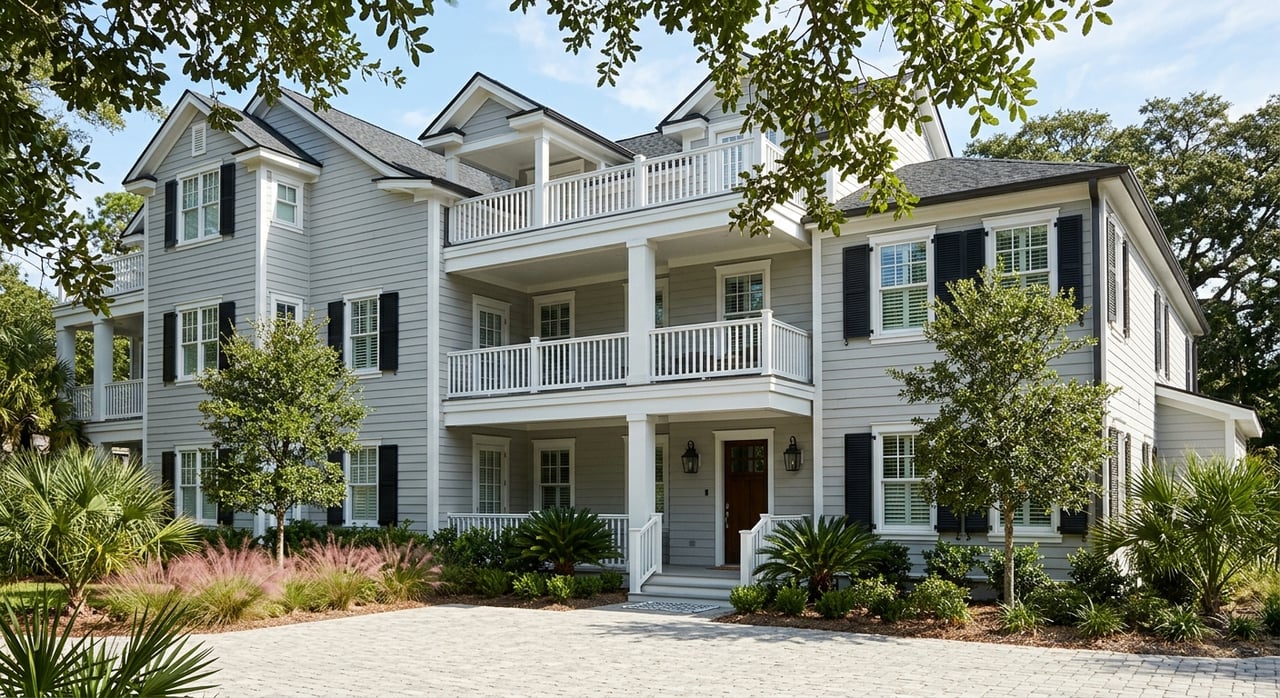
Unique oceanfront or waterfront homes may have fewer comparable sales. Appraisers and lenders scrutinize items like elevation, pilings, wind mitigation features, exterior maintenance in a salt-air environment, and recent comparable sales. These details can influence valuation and underwriting.
Rental and HOA rules
Short-term rental rules vary by town and HOA. Some buildings or communities restrict rentals or require permits. If you plan to rent the home, verify town ordinances and HOA documents. Your lender will underwrite based on your intended use and whether local rules allow it.
Smart steps before you shop
- Get preapproved with a lender experienced in coastal and second-home loans. Ask about second-home vs investment classification.
- Order a preliminary flood determination and gather flood and homeowners insurance estimates.
- Review HOA and town rules if you plan any short-term or seasonal rentals.
- Discuss your intended use with your lender to match the right loan type and documentation.
- Plan for inspection depth suited to a coastal home, including roof, windows, exterior cladding, corrosion-prone systems, and piling integrity.
Budgeting for a beach home
Second-home numbers work best when you look beyond principal and interest. Build a budget that includes:
- Insurance: Flood, homeowners, and wind or hail coverage if required. Premiums can be higher on the coast.
- Utilities and maintenance: Salt air can accelerate wear on roofs, HVAC, and exterior finishes.
- HOA or condo dues: These can affect your DTI and reserves.
- Reserves: Many lenders want months of payments in the bank. Keep emergency funds separate from closing cash.
If you plan to rent at all, confirm if your loan type allows it and whether local rules permit it. Lenders may treat frequent short-term rentals as an investment use.
Timeline from prep to closing
- Week 1 to 2: Lender preapproval, discuss use, and check flood and insurance options.
- Week 2 to 4: Property tours and offer. Once under contract, order appraisal, inspections, and updated insurance quotes.
- Week 4 to 6: Final underwriting with updated documents, insurance binders, and any HOA or rental documents requested by the lender.
- Week 6 to 8: Clear to close, final walk-through, and closing. Timelines vary by loan type, appraisal complexity, and insurance underwriting.
Common pitfalls to avoid
- Assuming you can use a primary-residence loan for a second home.
- Waiting to price flood or wind coverage until late in the process.
- Overestimating rental income without checking town and HOA rules.
- Underestimating cash reserve requirements for second-home and jumbo loans.
- Choosing a lender unfamiliar with barrier-island appraisals.
How we help you succeed
Our team pairs deep local knowledge with hands-on coordination to simplify second-home purchases in Wrightsville Beach. We help you:
- Align your intended use with the right loan path early.
- Connect with local lenders who understand coastal underwriting and jumbo options.
- Obtain flood and wind insurance estimates and review HOA or town rental rules.
- Navigate inspections focused on coastal construction and maintenance.
When you are ready to explore, we bring a calm, methodical plan so you can focus on the fun part: the lifestyle you are buying.
Ready to map out financing and find the right beach retreat? Schedule a Personalized Consultation with Olivia Galarde to take the next step with a local plan and a confident offer strategy.
FAQs
How much down payment is typical for a Wrightsville Beach second home?
- Many second-home buyers put 10% to 20% down, while jumbo and investment loans often require more depending on credit, reserves, and property type.
Do I need flood insurance for a Wrightsville Beach property?
- If the home is in a Special Flood Hazard Area, lenders will require flood insurance, and many coastal buyers choose coverage even outside high-risk zones.
Can I use short-term rentals like Airbnb to help qualify?
- Frequent short-term rentals often trigger investment-property underwriting, which comes with higher down payments, rates, and reserve requirements.
What credit score and DTI do lenders want for second homes?
- Lenders often expect 680 to 720-plus credit scores and lower DTIs than for primary homes, with many files capped under 45 percent.
What happens if my loan amount exceeds conforming limits in New Hanover County?
- You will likely need a jumbo loan that usually requires more reserves, stronger credit, and a larger down payment than a conforming second-home loan.
Will hurricane and wind coverage affect my loan approval?
- Yes, lenders confirm adequate coverage is available and affordable, and higher premiums can influence your DTI and reserve requirements.
What inspections matter most for a coastal second home?
- Focus on roof, exterior cladding, windows and doors, HVAC corrosion, electrical and plumbing condition, and piling or foundation integrity.