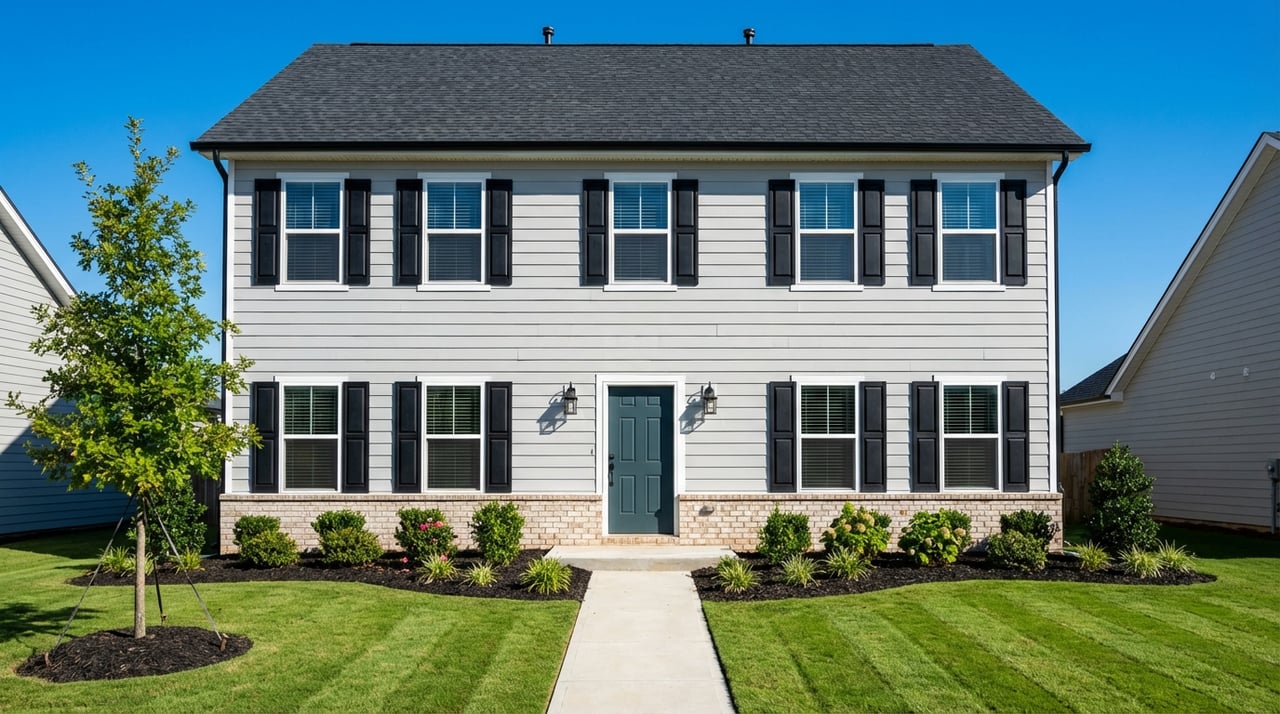
Thinking about a brand-new home in SouthPark but unsure how to compare builders, lots, and upgrade costs? You are not alone. SouthPark’s mix of luxury retail, offices, and well-located neighborhoods makes new construction tempting, yet small decisions can have a big impact on price, timeline, and resale. In this guide, you will learn exactly how to vet a builder, choose the right homesite, budget for upgrades, and protect your investment in this high-demand Charlotte district. Let’s dive in.
Why SouthPark new construction
SouthPark is Charlotte’s established shopping and office hub centered on SouthPark Mall and Symphony Park. The district continues to see investment and planning for improved walkability and public spaces, highlighted by the SouthPark Community Partners’ Vision Plan and updates you can follow on the organization’s site. You can explore the plan and neighborhood context through the SouthPark Community Partners page for current initiatives and events.
Recent data indicate SouthPark home values trend above the broader Charlotte median. Because local micro-markets move quickly, it helps to monitor live neighborhood snapshots for median value and days on market when you are actively shopping. Pair those trends with your goals for commute, amenities, and lifestyle, then narrow your focus to the projects and floor plans that match.
For more on the district’s ongoing placemaking and redevelopment momentum, review the recent coverage of the Symphony Park project, which outlines upcoming retail and public-space concepts and why this location continues to attract buyers.
- Learn more about SouthPark’s programming and Vision Plan on the SouthPark Community Partners site: SouthPark Community Partners
- See redevelopment coverage: Symphony Park renderings and updates
Vet your builder first
Verify license and history
Start by validating the builder or general contractor through the North Carolina Licensing Board for General Contractors. The state portal shows active or suspended licenses and the qualifier on file. Check this step before you sign a contract so you know who is responsible for permitting and construction.
- Search here: NCLBGC license lookup
Confirm warranty structure
Ask the sales team to provide the full warranty booklet. Many builders use a standard structure often summarized as 1-2-10: one year for workmanship and materials, two years for distribution systems like electrical, plumbing, and HVAC delivery, and up to ten years for major structural defects. Confirm definitions, exclusions, claim process, response times, and whether the coverage is insured by a third party. An insured structural warranty shifts long-term risk away from the builder and gives you clearer recourse.
- Background on typical coverage: What a standard builder warranty covers
Judge finished quality
Visit model homes and completed homes by the same builder, then compare fit-and-finish against similar communities. Look for consistency in tile work, drywall seams, cabinet alignment, and exterior details. Ask for references and for communities you can tour to see how products look after a few seasons of weather.
Pick the right lot
Orientation and daylight
How your home sits on the lot affects comfort and energy performance. In Charlotte’s latitude, south-facing living spaces tend to receive more winter sun and balanced daylight. East and west exposures can create morning or evening glare and higher summer heat gain. When possible, orient primary living areas and outdoor spaces to the south, and ask about shading and overhangs to manage summer sun.
- Learn more about solar control and orientation: Shading and solar control guidance
Grade, privacy, and premiums
Builders often price “premium” homesites higher. Corner lots, sites backing green space, elevated settings, and walkout-capable grades usually carry an added fee. These premiums reflect desirability, but they do not always appraise dollar for dollar on resale. Compare recent resales on similar homesites to decide whether a premium supports your priorities.
Flood risk and drainage
Before you commit, run the address through FEMA’s Flood Map Service Center to see any mapped flood zones. Ask the builder about grading and drainage plans, especially on rolling sites common in and around SouthPark. If a basement or walkout level is important to you, verify how grade and drainage influence that option.
- Check an address here: FEMA Flood Map Service Center
Price the whole package
Base price versus real cost
The base price covers the floor plan with a set list of standard finishes. On top of that, you will add lot premium, structural options, and design-center upgrades. Common upgrade categories include garage extensions, covered patios, cabinet and countertop packages, appliance brands, flooring, tile, plumbing fixtures, and landscaping. Some builders use allowances for certain items, so confirm whether those amounts match the style you want.
- For how builders manage inclusions and selections, review an example homeowner manual: Selections and allowances example
Structural versus cosmetic choices
Structural options change the footprint or engineering, so they must be locked early. Cosmetic choices like paint and hardware often come later. Prioritize big-impact, long-lead items first, then move to finishes that are easier to swap or that can be upgraded after closing if needed. If you miss selection windows, changes may require a change order, cost more, or delay completion.
Plan selections and timeline
Every builder follows a production schedule with fixed deadlines. Here is a simple example to help you plan decisions and inspections:
- Contract signed: Earnest money submitted; review inclusions and lot premium.
- Selections window: Structural options finalized; schedule design-center appointment.
- Framing starts: Lock any remaining long-lead items; confirm electrical and low-voltage layout.
- Pre-drywall inspection: Independent inspector checks framing, rough plumbing, electrical, and HVAC.
- Final selections and punch list: Confirm cabinet, tile, and hardware packages; begin punch list.
- Certificate of Occupancy and close: Municipal inspections complete; final walkthrough and closing.
If a material you select has a long lead time, ask how it affects the schedule. The earlier you confirm structural and cabinet or appliance choices, the more likely you are to hit the target close date. You can reference the example selections guidance above for how builders commonly sequence these steps.
Schedule inspections and close with confidence
Independent phase inspections
Even on new construction, hire an experienced inspector for at least two visits. A pre-drywall inspection lets the inspector review framing, electrical, plumbing, and HVAC before walls are closed. A final inspection before your builder walkthrough helps you catch items while the team is still on site. Schedule an 11-month inspection near the end of your first-year warranty to document items while coverage is active.
- What to expect from new-construction inspections: ASHI inspection guidance
Certificate of Occupancy, permits, and punch list
Mecklenburg County issues a Certificate of Occupancy when required inspections are complete. Ask for a copy of the CO and permit inspection history before closing. Confirm how the builder handles any deferred items on the punch list and whether a temporary occupancy has been or will be used.
- Permitting and CO info: Mecklenburg County WebPermit
HOA and lifestyle fit
In SouthPark’s townhome and single-family communities, HOA rules and fees vary. Request the HOA budget, reserve policy, and monthly fee. Review rental policies, exterior maintenance responsibilities, and Architectural Review Committee guidelines. If walkability or low-maintenance living is a priority, these details will shape your total cost of ownership and daily experience.
Resale priorities in SouthPark
Resale value benefits from proximity to SouthPark Mall and Phillips Place, shorter commutes to Uptown, and the area’s planned improvements. Look for floor plans that align with common buyer preferences, such as three or more bedrooms, a flexible bedroom or office, logical storage, garage parking, outdoor living like a covered patio, and efficient mechanical systems. If you are choosing between a main-level or upstairs primary suite, consider your likely future buyers and lifestyle needs. Pair these choices with the location and community features you expect to highlight when you sell.
Side-by-side comparison checklist
Use this quick list to compare your top two or three communities:
- Price components
- Base price and what is included
- Lot premium amount and rationale
- Structural options with pricing and appraisal impact
- Design-center upgrades, allowances, and builder markups
- Property taxes and any special assessments
- Builder vetting
- License status and qualifier on file
- Warranty provider and whether structural coverage is insured
- Complaint patterns and field references from completed communities
- Lot and site
- Orientation and solar exposure for key rooms and outdoor spaces
- Topography, walkout potential, and privacy
- FEMA flood zone, drainage plan, and nearby noise or traffic lines
- Trees, fencing, and landscape plan
- HOA and neighborhood
- Monthly fee, reserve funding, and insurance coverage
- Rental rules, pet policies, and exterior maintenance responsibilities
- Design and ARC rules that affect exterior changes
- Timeline and deadlines
- Selections cutoffs and long-lead items
- Estimated completion date and any schedule guarantees
- Change-order policy and fees
- Inspections and warranty
- Pre-drywall, final, and 11-month inspection plan
- Warranty start date, claims process, and escalation path
Local resources for buyers
- SouthPark community overview and Vision Plan: SouthPark Community Partners
- Builder warranty background: 2-10 Home Buyers Warranty
- New-construction inspections overview: ASHI
- Mecklenburg permitting and CO portal: WebPermit
- FEMA Flood Map Service Center: Search an address
- North Carolina builder license search: NCLBGC
- Example builder community near SouthPark/Cotswold: David Weekley’s Central Living at Craig
Ready to compare your top SouthPark options with a clear plan and a trusted advocate at your side? With our background in building and hands-on transaction management, we help you vet builders, navigate selections, and protect your resale strategy from day one. Schedule a Personalized Consultation with Olivia Galarde to get started.
FAQs
What makes SouthPark a smart place to buy new construction?
- SouthPark offers a rare mix of amenity-rich living, strong buyer demand, and ongoing public-space investment, which supports livability today and future resale potential.
How do builder warranties typically work on new homes?
- Many builders follow a 1-2-10 structure covering workmanship, systems, and major structural components, but you should always read the booklet to confirm terms and whether coverage is insured.
Do I still need inspections on a brand-new SouthPark home?
- Yes; schedule independent pre-drywall, final, and 11-month inspections to catch issues early and document items while first-year coverage is active.
How should I evaluate a lot premium in SouthPark?
- Compare what the premium buys you, like privacy or a walkout grade, against recent resales on similar sites and your long-term plans to judge whether the added cost is justified.
What paperwork should I collect before closing in Mecklenburg County?
- Obtain the Certificate of Occupancy, permit inspection history, final selections and change orders, HOA documents, and the full warranty booklet with claims instructions.