In September 2026 the Wilmington metro had 4,609 active listings. That is a new high and nearly double the count from September 2022, according to Cape Fear REALTORS®. Over those same four years, the original streets of Forest Hills added close to nothing. The newest houses there went up in the 1980s and '90s, and since then a few newer homes have filled the rare vacant lot.
So in a regional market where buyers have more choice than they've had in years, this neighborhood behaves differently. Its supply barely moves, and its houses change from the inside, through remodels and additions. Demand for the Forest Hills name has spread outward onto the streets around it. If you're comparing in-town Wilmington neighborhoods, that leaves you with two decisions the portal median can't make for you: which Forest Hills you mean, and which renovation history you're willing to pay for.
The Strict Map Is Smaller Than the Common One
The tightest definition of Forest Hills comes from the late Wilmington historian Ed Turberg. His 1994 "Forest Hills Neighborhood Architectural Survey" drew it as Forest Hills Drive, Colonial Drive, Guilford Avenue and Columbia Avenue, the south side of the 2400 to 2700 blocks of Market Street, and the north side of the 2600 to 2900 blocks of Wrightsville Avenue. The StarNews reported that boundary in its August 2025 look at the neighborhood's first century.
The everyday map is bigger. The same StarNews piece notes that some maps fold Woodcrest, Glen Arden, Country Club Pines, Oleander and the Beaumont area along Wayne Drive into Forest Hills. Julie Rehder, who grew up near the corner of Park Avenue and Country Club Drive, told the paper, "I guess everyone has their perception of the boundaries of Forest Hills." Historian Elaine Henson, who has lived on Colonial Drive since 1972, told the StarNews that the surrounding neighborhoods "want to be associated with it." She also said Woodcrest and Country Club Pines share a "very similar feel."
For a buyer, that means "Forest Hills" on a search result can describe a house on Turberg's core streets or a house a few blocks over in a neighborhood with its own name and its own history. Those are different products, and one blended neighborhood figure mixes them together.
A Neighborhood That Grows Inside Its Own Lot Lines
The core was built to a plan and then filled in slowly. Greensboro's Irving Park Company began assembling land around 1920 or 1921, aiming for an upscale development like the one it had built in Greensboro. William A. McGirt, a Wilmington realtor, managed the local Forest Hills Development Co. About 1,000 people came to the public open house for the first home, 314 Forest Hills Drive, in 1926. Charles H. and Sarah L. Fore, owners of the C.H. Fore & Co. dry goods business downtown, bought it. Houses at 102 Forest Hills Drive and 2511 Guilford Avenue date to the same year, and 2602 Guilford Avenue and 120 Colonial Drive followed in 1927.
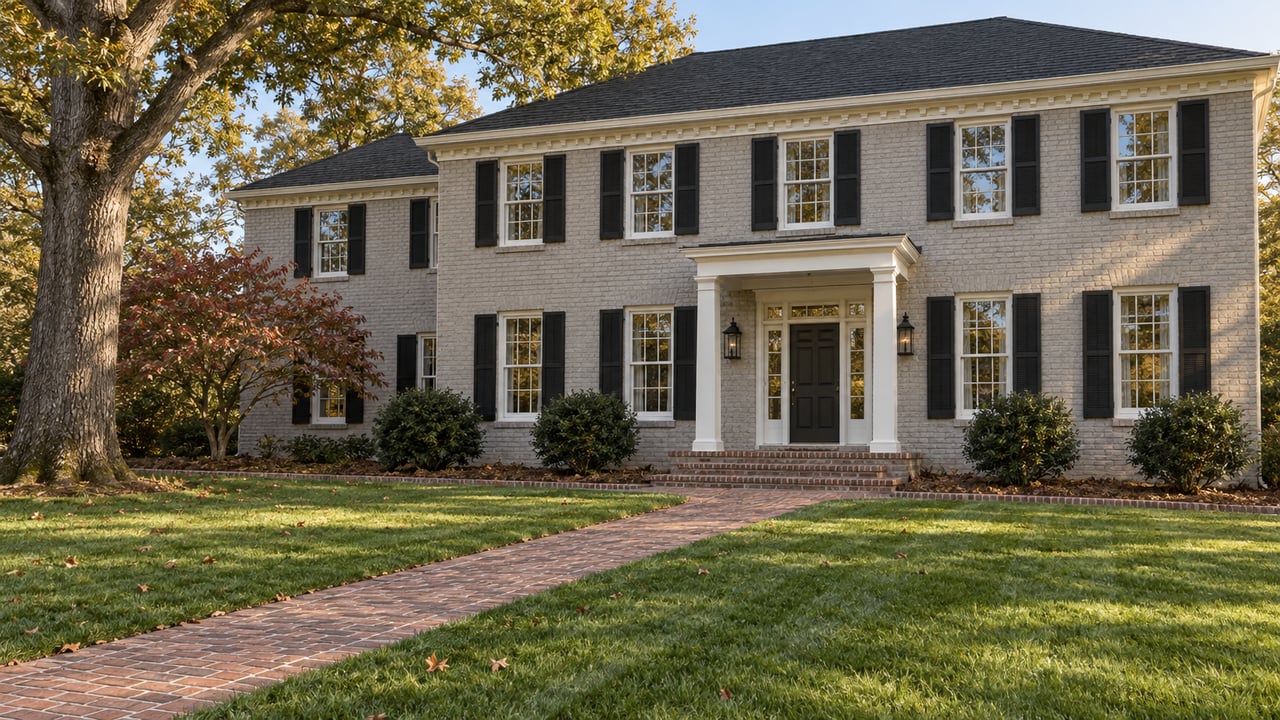
The neighborhood was designed for cars, not streetcars, and the lots show it. Houses sit back from the street behind big front yards, with large back yards and long driveways. Building slowed through the Depression and World War II, then picked back up in the late 1940s and early '50s. Once those lots were taken, the only way to get a different house was to change the one already standing there.
Henson's comments in the StarNews feature describe that pattern from both directions. She has done two major remodels on her 1936 house to update the kitchen and add closet space. She also said that in more than 50 years in the neighborhood, "I can't think of a tear-down that's happened in that whole time."
The halo neighborhoods show the same habit in the historical record. The Historic Wilmington Foundation's Spring 2008 newsletter traced how two homes on that year's tour had changed:
| House | Built | How it changed over the decades |
|---|---|---|
| Woodcrest home built for the Roe family, one of the first in Woodcrest | 1925 | Planned as a Dutch cottage. A grand front porch was added in the 1930s, a side porch was enclosed for a den and primary bedroom in the 1990s, and the kitchen and entrance were later expanded |
| Neoclassical Revival residence built by the Willetts family, original developers of Glen Arden | 1949 | A five-bedroom, 5,000-square-foot home that was expanded in 1970 |
| Henson's Colonial Drive home in core Forest Hills | 1936 | Two major remodels for the kitchen and closet space |
These are snapshots of how the houses were described when those sources were written, not inspection reports on how they stand today. In each case the house grew or changed on its original lot.
Reading the Regional Numbers From These Streets
The metro data tells you how much leverage buyers have across Wilmington. Cape Fear REALTORS® reported a September 2026 Wilmington metro median sales price of $423,000, up 4.6 percent from September 2025, with homes averaging 72 cumulative days on market and 4.5 months of supply. In New Hanover County, single-family homes sold for a median of $480,000 in August 2026, spent a median of 42 days on market and closed at 98.1 percent of list price.
Those figures describe a market that has loosened, with more homes to choose from and sellers competing harder. But the rise in inventory comes from places that can build, and Forest Hills builds only on the rare vacant lot. The StarNews put most homes there at values "close to $1 million if not much more" in August 2025, roughly double the county's single-family median. When the core adds almost no houses, some of the demand for its streets moves to the next ring out. That fits Henson's observation that the surrounding neighborhoods want to be associated with Forest Hills, and it helps explain why a single median for "Forest Hills" can swing depending on which streets it includes.
The demand also moves the other way. Historian Anne Hewlett Hutteman told the StarNews that many longtime Forest Hills residents "have moved down to be near the water, or to Landfall." With so little new construction, houses come on the market mostly when owners leave, which means the core's supply depends on when people decide to move rather than on what builders decide to build.
Choosing Between a Lot, a House and a History
Once you know which streets you mean, you're judging a house's age and everything done to it since. A 1926 Colonial Revival and a 1950s ranch on the same block have had very different lives. So have two houses of the same age when one had its additions in the 1970s and the other in the 1990s. In a neighborhood where change comes through remodels, the age of the last major renovation can matter as much as the year on the cornerstone.
Some practical points for comparing houses here:
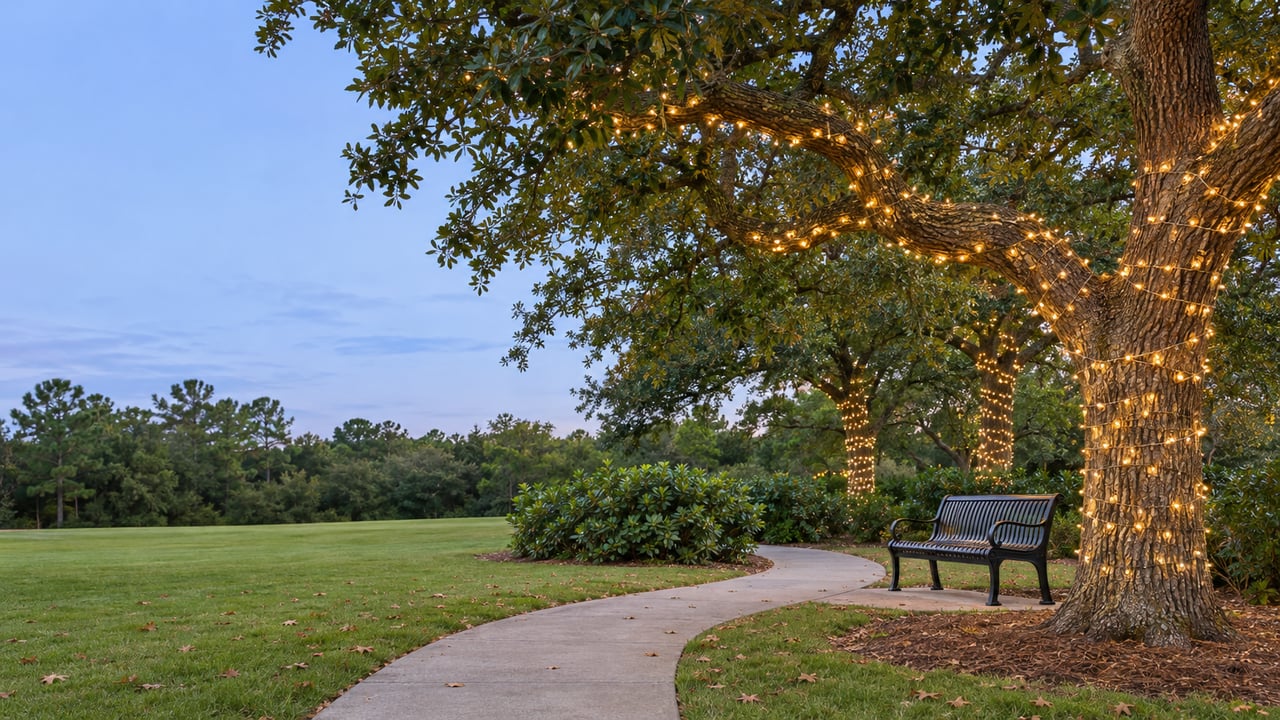
The stretch of Forest Hills Drive between Colonial Drive and Wrightsville Avenue is the part the StarNews singled out, lined with old oaks hung with Spanish moss. Half a dozen or more homes in the neighborhood carry Historic Wilmington Foundation plaques. Forest Hills does not appear on the City of Wilmington's published list of local and National Register historic districts.
The halo neighborhoods have their own founding stories. Woodcrest's first homes went up in the mid-1920s, and the Willetts family developed Glen Arden. A house in one of them should be priced against its own street, not the Forest Hills Drive premium.
You can read more in our earlier post on the backyard on Forest Hills Drive that started Wilmington's biggest spring tradition, on our Forest Hills neighborhood page and in our Wilmington neighborhoods overview.
Common Questions
Are new homes being built in Forest Hills? Very rarely. The StarNews reported in August 2025 that the newest houses in the area date to the 1980s and '90s, with a few more recent homes on what were once vacant lots.
Which architectural styles show up on the core streets? The early homes drew on Georgian and Federal design. A Historic Wilmington Foundation walking tour, quoted by the StarNews, describes them as connecting their owners to "the wealthy builders of Georgian and Federal style houses." Postwar building added later houses to the mix.
How close is Forest Hills to downtown and the beach? Turberg's 1994 survey described it as a neighborhood with "convenient access to downtown or the beach," and the StarNews wrote in 2025 that the line still holds.
If you're weighing a house on Colonial Drive against one in Woodcrest or Glen Arden, Galarde & Co. can compare the two with you, drawing on our family background in building and development. Schedule a Personalized Consultation, and we'll help you decide which Forest Hills fits you.