Search "Dilworth home prices" four different times this year and you could come back with four different answers, each pulled from a real, current source, none of them wrong. One portal will tell you the median sits under $600,000. Another will put it north of $1.6 million. Same neighborhood name, same tree-lined streets, a gap of more than a million dollars.
The split doesn't come from bad data. It comes from a line most buyers never notice until an inspector or a city planner draws it for them: the actual boundary of Dilworth's Local Historic District, versus the broader area that simply carries the Dilworth name on a listing sheet. Buyers who skip past that line usually find out about it mid-inspection or mid-renovation, when a repair they assumed would take a weekend turns out to need a certificate from a city commission that only meets once a month.
One Name, Four Numbers
Here's what shows up when you pull current listings and neighborhood trackers side by side:
| What's being measured | Time frame | Reported median |
|---|---|---|
| Broader "Dilworth" area, national portal | March 2026 | $599,000 |
| Broader "Dilworth" area, national portal | August 2025 | $813,000 |
| Dilworth Historic District specifically | January 2026 | $1.1 million |
| Dilworth core, Canopy MLS-based analysis | Spring 2026 | roughly $1.6 million |
None of these figures are stale and none of them are lying to you. They're measuring different footprints. The lower numbers track a much wider "Dilworth" area that has absorbed two decades of new construction and infill from builders like David Weekley Homes, Saussy Burbank and Barringer Homes, projects built well outside the National Register boundary and therefore outside the reach of any historic review board. One data provider that tracks the broader Dilworth subdivision area lists typical construction years spanning 1903 to 2025, with a median build year around 1997. That's not a century-old bungalow district. That's a mixed pool where a 2022 townhome and a 1912 Craftsman share a search result and a name.
Why the Boundary Matters More Than the Zip Code
Dilworth was named a Local Historic District by Charlotte City Council in 1983, with an addition in 1992, and much of the neighborhood was separately listed on the National Register of Historic Places in 1987, with its own boundary expansion in 2000. That local designation, not the school zone and not the mailing address, is what actually triggers oversight from the Historic District Commission.
If a listing sits inside that boundary, the home is almost certainly a contributing structure built before the district was drawn, and the price reflects both the scarcity of that inventory and the regulatory layer that comes with it. If it sits outside that boundary but still gets marketed as "Dilworth," you may be looking at a newer build with none of the historic-district requirements and none of the historic-era systems either. Knowing which one you're bidding on changes both your number and your to-do list.
What an Inspector Finds Once You're Under Contract
For homes that do sit inside the historic core, the inspection tends to follow a predictable script. Knob-and-tube wiring, undersized panels and ungrounded outlets show up regularly in Charlotte homes from the early 1900s through the 1960s, and galvanized steel or cast iron plumbing corrodes from the inside out over time, restricting flow before it eventually fails. Charlotte sits in the Piedmont, where red clay soil expands when wet and contracts when dry, and that seasonal movement is what shows up as cracked drywall, sticking doors and slightly uneven floors in older foundations.
"They may tell you to just watch it to make sure it doesn't get bigger or expand," Adam Long, president of HomeTeam Inspection Service, told the National Association of Realtors.
A standard inspection in the Charlotte area runs $280 to $500 depending on the home's size and age and takes two to four hours. If the home is on an original clay or cast-iron sewer lateral, which is common across Dilworth's older blocks, a sewer camera scope is worth the extra $100 to $300. Mature oak canopy is part of what makes these streets desirable, and it's also exactly the kind of root system that finds its way into a century-old sewer joint.
Every Exterior Fix Comes With a Permission Slip
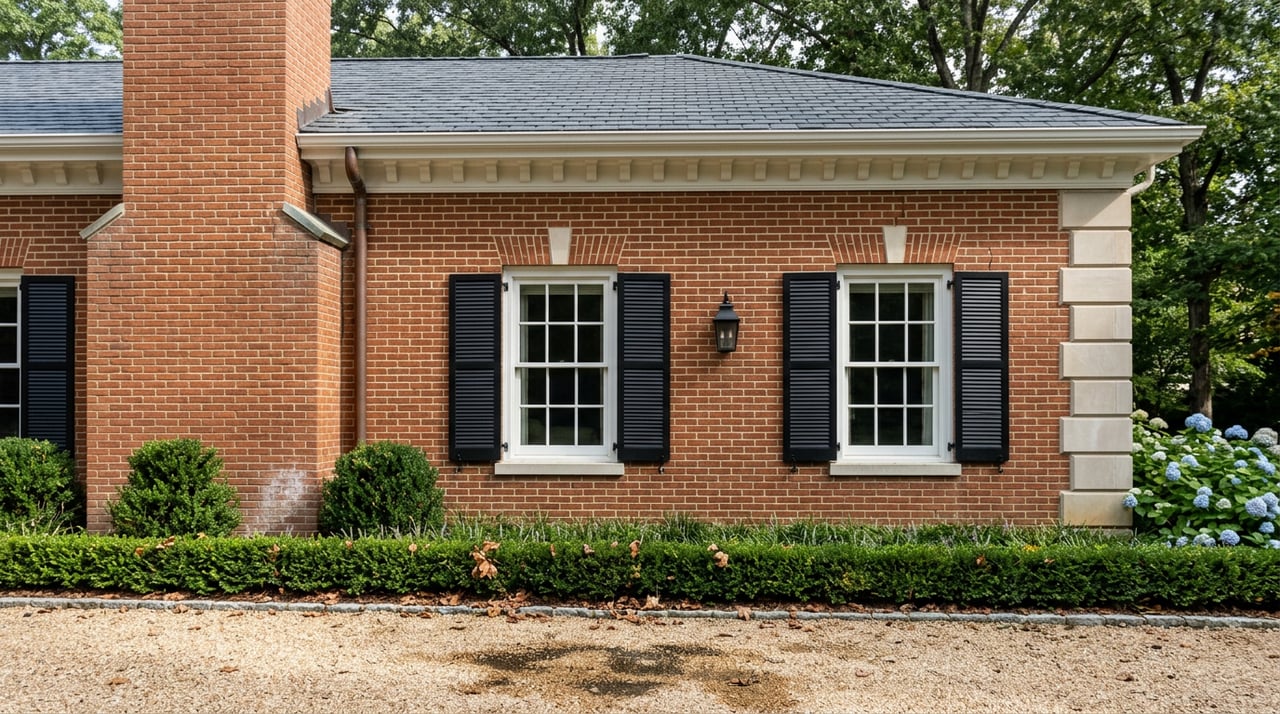
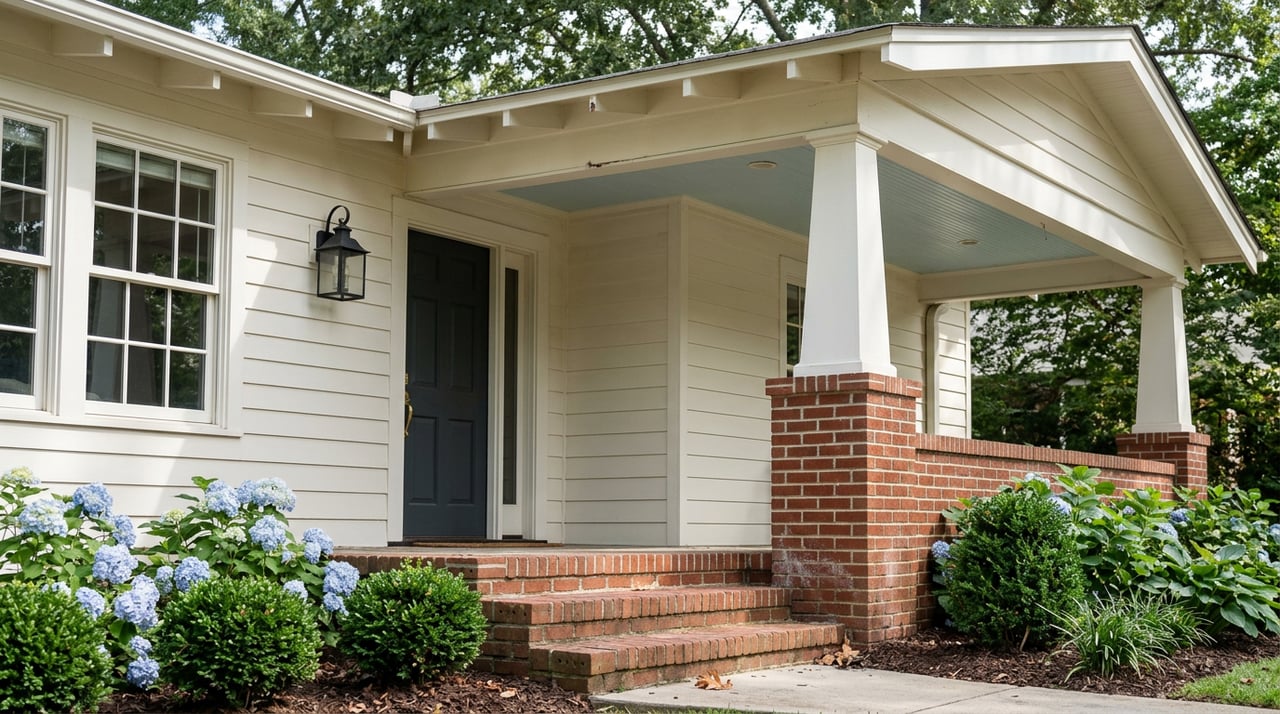
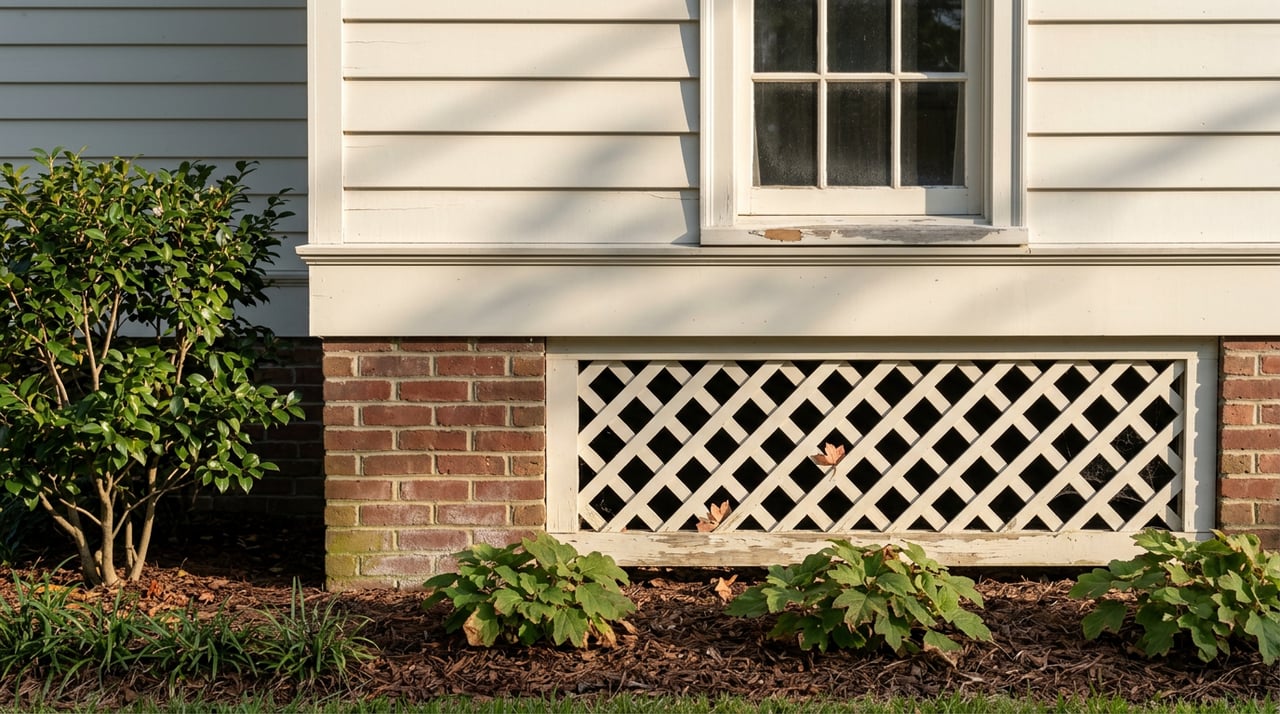
Here's the part that catches buyers off guard after the inspection report comes back. Inside the Local Historic District, a Certificate of Appropriateness must be issued before work begins on any exterior change, not just additions or new construction. That includes a roof replaced in a different material, a window swapped out, or a porch repaired in a way that changes its original look.
The process splits into two tracks. Roughly two-thirds of all applications submitted across Charlotte's historic districts qualify for Administrative Approval, which typically clears in five to ten business days and covers fencing, signage, window and door replacement, rear-yard improvements, driveways and walkways. The remaining projects, including additions, porch enclosures, substitute siding, major tree removal and painting previously unpainted masonry, go to the full Commission, which meets monthly. Demolition of a contributing structure can trigger a 365-day stay before it's approved at all.
A recent case from April 2026 involving a property on Charlotte Drive in Dilworth shows how granular this review gets: staff guidance addressed exactly how to handle a window that's no longer needed after an interior renovation, down to whether to retain the glass or shutter the back so it still reads as functional from the street. The Commission itself reflects how local this process is. Among its seats is one reserved specifically for a Business Operator of Dilworth, alongside representatives from each of Charlotte's other historic districts.
What This Means Before You Write an Offer
- Confirm the parcel, not the zip code. Ask your agent to check whether the specific address sits inside the 1983 or 1992 Local Historic District boundary before you anchor on a neighborhood median.
- Budget a sewer camera scope alongside the standard inspection on anything built before 1960.
- Sort any inspection findings that touch the exterior into two buckets before you negotiate: items likely to clear Administrative Approval in one to two weeks, and items that will wait for the next monthly Commission meeting. That distinction should shape whether you ask for a repair credit or a completed repair before closing.
- Weigh the build year on the listing sheet more heavily than the neighborhood-wide median. A 1997 or 2015 build inside the Dilworth name carries a completely different cost and timeline profile than a 1915 contributing structure two blocks away.
Common Questions
Does every home with a Dilworth address fall under the Historic District Commission? No. Only properties inside the boundary drawn by the 1983 designation and its 1992 addition are subject to Certificate of Appropriateness review. A meaningful share of newer construction marketed under the Dilworth name sits outside that line entirely.
How much time does historic review actually add to a renovation? For roughly two out of three applications, five to ten business days. For larger projects like additions or porch enclosures, plan around the monthly Commission meeting schedule, which can add several weeks depending on when your application clears the submission deadline.
Can I replace a failing sewer line without going through the Commission? Underground plumbing repairs generally fall outside COA review since they don't change what's visible from the street. Related surface work, like removing a mature tree to get equipment into the yard, can bring the Commission back into the picture.
Buying inside Dilworth's historic core is still one of the more rewarding moves in the Charlotte market, but it rewards buyers who read the map before they read the median. Galarde & Co. works this neighborhood alongside a family background in construction and development, which means we walk clients through exactly which line their address falls on, what an inspection is likely to surface, and what that means for a realistic closing timeline. If you're weighing an offer on a Dilworth listing, schedule a personalized consultation before you write it.