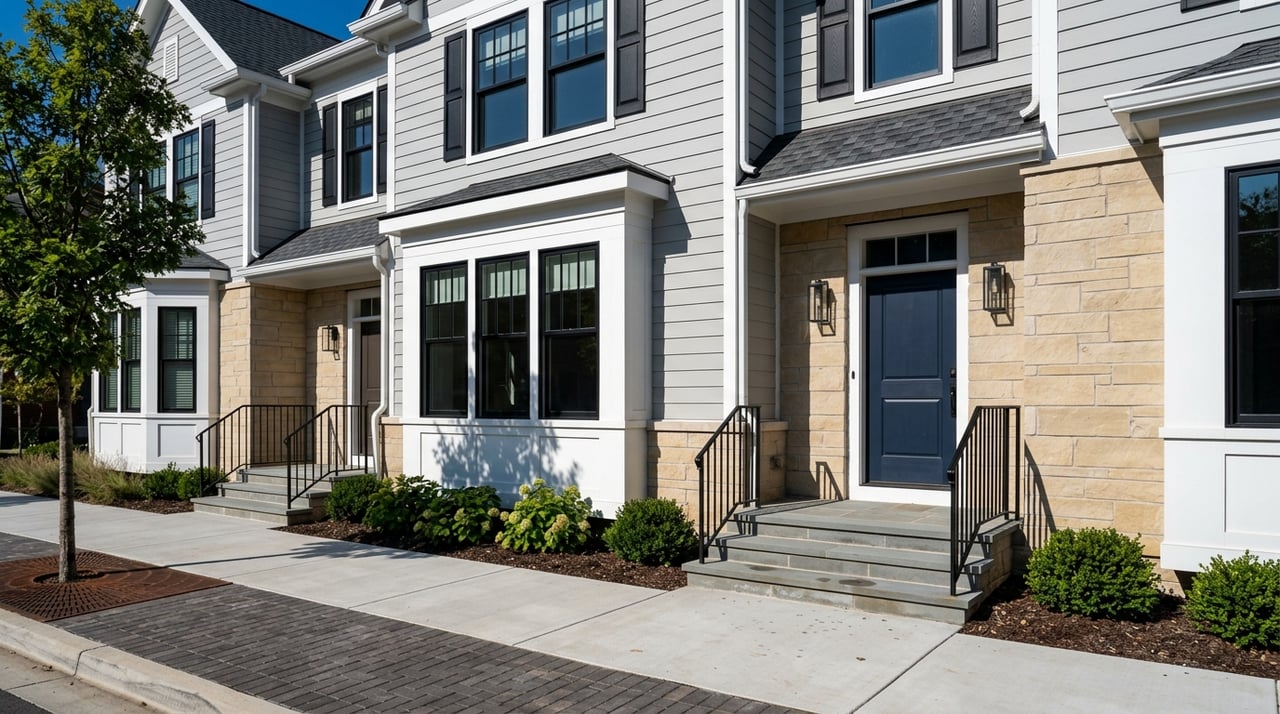
Wondering whether a new construction townhome in Uptown Charlotte is a smart move? You are not alone. If you want low-maintenance living, a central location, and modern design, Uptown can be compelling, but the right choice depends on how you evaluate the market, the product, and the long-term fit. Let’s dive in.
Why Uptown Charlotte Stands Out
Uptown is not just another neighborhood in Charlotte. According to Charlotte Center City Partners, Center City is the region’s economic, social, and cultural heart, with a development pipeline that exceeds $4 billion. The area also benefits from strong job growth and continued business activity, which helps support housing demand.
Mobility is another major advantage. Uptown sits at the center of the region’s road and transit network, and Charlotte Douglas International Airport is about five miles away. For buyers who value commute efficiency, travel access, and a connected lifestyle, that convenience matters.
Uptown also comes with a more complex development framework than many other parts of Charlotte. The city’s Unified Development Ordinance became effective on June 1, 2023, and it shapes everything from parking and transportation to open space and affordable housing. That means new construction townhomes in Uptown often need to be evaluated with both lifestyle and development rules in mind.
Who New Construction Townhomes Fit Best
In many cases, Uptown townhomes appeal to buyers who want a lock-and-leave lifestyle. The local resident base trends younger, with a median age of 33 and median household income of $87,000. That profile, along with strong commuter activity, points to buyers who value location, lower-maintenance living, and efficient daily routines.
Uptown also has a strong commuter base. A 2025 Center City Partners board packet reported that daytime worker population increased 2% and commuters increased 6% from 2023, with 89% of Center City workers commuting into the area. Event traffic also plays a role, with some of the highest-visit days tied to stadium and arena activity.
That does not mean townhomes are right for everyone. If you want a large yard, more distance from city activity, or a quieter suburban layout, Uptown may not be your best fit. But if you want a modern home close to work, dining, entertainment, and major transportation routes, a new construction townhome can make a lot of sense.
How the Market Looks Right Now
Before you buy, it helps to understand the broader attached-home market. Canopy MLS data shows the Charlotte region’s 2024 condo-townhome median sales price was $363,618, with an average sales price of $404,183. The same report noted that condo-townhome inventory rose 48.6% compared with 2023.
Uptown remains a major part of that market. The same Canopy report found Uptown held the region’s highest condo-townhome market share at 97.6%. That tells you attached product is a core part of the housing conversation here, not a niche category.
The market also became less tight by mid-2025. According to July 2025 Uptown market data, the median sales price was $425,000, inventory reached 101 homes, months of supply rose to 5.6, and days on market were 53. For buyers, that may mean a bit more room to compare options and negotiate thoughtfully than in a very tight market.
What to Look for in a New Construction Townhome
Not all new construction townhomes are equal, even when they look similar online. In Uptown, the strongest value often comes from homes that balance style with daily function.
Features that tend to perform well in Charlotte’s urban townhome market include:
- Rooftop terraces
- Attached or two-car garages
- Hardwood floors
- Quartz countertops
- Stainless steel appliances
- Expansive windows
- Thoughtful customization options
This mix was highlighted in a Hopper Communities Uptown West example, and it reflects what many buyers are actually using and valuing day to day. In practical terms, usable outdoor space, reliable parking, and move-in-ready finishes often matter more than highly customized upgrades that may not improve function.
Focus on Daily Livability
When you tour a townhome, think beyond the model-home presentation. Ask yourself how the layout works for your routine. Is there enough storage, natural light, and separation between living and sleeping areas? Does the garage setup make city living easier?
A beautiful finish package is great, but it should support how you live. In an Uptown setting, convenience often drives long-term satisfaction just as much as aesthetics.
Evaluate Outdoor Space Carefully
Outdoor space can be a major differentiator in urban housing. A rooftop terrace or private balcony may add real day-to-day value, especially if you enjoy entertaining or simply want a place to step outside without leaving home.
That said, not all outdoor space is equally usable. Pay attention to privacy, access, sun exposure, and how much furniture the space can realistically hold. A smaller but functional terrace may be more useful than a larger area with awkward access.
Parking Still Matters
In a walkable location, it is easy to assume parking is less important. In reality, attached garages remain a highly practical feature in Uptown. They can support convenience, security, storage, and resale appeal.
This is especially important because Uptown development rules and frontage conditions are more specialized than in standard neighborhood settings. Parking and access should always be part of your evaluation, not an afterthought.
Understand the Competitive Landscape
One important part of evaluating a new construction townhome in Uptown is understanding what it competes with. Uptown is renter-heavy, and a 2025 study found nearly three-quarters of residents are renters. On top of that, the 2025 State of the Center City report notes that more than 10,000 apartments were under construction or planned in Uptown and South End, with more than 2,000 delivered in 2024.
For you as a buyer, that means the market includes a lot of housing choice. If you are buying for personal use, compare your monthly ownership costs against the lifestyle and stability that ownership offers. If you are thinking more like an investor, rental competition should be part of your analysis from the beginning.
A townhome can still stand out, especially if it offers features many apartments cannot, like an attached garage, private rooftop space, or multi-level separation. But it is important to assess value in the context of all nearby options.
Why Builder Timelines Matter
With new construction, timing is part of the product. Delays can affect your move, financing window, rate lock, and even your confidence in the purchase, so it helps to understand how approvals can shape the process.
If a site needs rezoning, Charlotte requires a pre-submittal meeting before the rezoning application is filed. For attached housing, the permit path can also involve separate city review, and some projects with more than two units on a lot may require Commercial Zoning Only Review. Major plan changes after approval can lead to additional review.
There can also be off-site issues that affect delivery. The city notes that general encroachment agreements typically take about 2 to 3 months to review. In a dense urban setting like Uptown, these details can matter more than buyers expect.
Questions to Ask Before You Commit
If you are considering a presale or early-phase purchase, ask direct questions such as:
- What approvals are already complete?
- Is rezoning required, or has it already been addressed?
- Are there any right-of-way or encroachment issues still in review?
- Has the builder changed delivery timelines recently?
- Which selections are still available, and by when do choices need to be finalized?
These questions can help you separate a project that is progressing smoothly from one that may carry more uncertainty.
How to Judge Long-Term Value
A good Uptown townhome should work for you now and hold up well later. That starts with understanding the likely resale audience. Based on current Center City patterns, likely buyers often include young professionals, hybrid commuters, healthcare and financial-services employees, roommates, and some downsizers seeking lower-maintenance living.
That audience tends to prioritize location, efficiency, parking, outdoor space, and updated finishes. Because of that, homes with broad appeal often outperform homes with highly personal design choices that may not translate as well to the next buyer.
This is where an experienced local advisor adds value. You want to look at more than the base price. You also want to evaluate finish quality, plan functionality, surrounding inventory, builder timing, and how the home fits Uptown’s evolving market conditions.
A Smart Way to Evaluate Your Options
If you are comparing several new construction townhomes in Uptown Charlotte, keep your review simple and practical. Focus on:
- Location within Uptown and access to roads, transit, and daily destinations
- Floor plan efficiency and whether the layout supports your routine
- Parking setup and storage potential
- Outdoor living space that feels truly usable
- Finish package that is durable and widely appealing
- Builder timeline and approval status
- Resale or rental competitiveness compared with nearby inventory
When you look at the full picture, the right decision becomes much clearer. In a market as active and nuanced as Uptown, details matter.
If you are weighing new construction townhomes and want help comparing floor plans, builder timelines, or resale potential, Olivia Galarde can help you evaluate the options with a local, development-savvy lens.
FAQs
What should you evaluate first when buying a new construction townhome in Uptown Charlotte?
- Start with location, floor plan, parking, outdoor space, finish quality, and the builder’s delivery timeline.
How competitive is the Uptown Charlotte townhome market?
- Uptown remains a major attached-home market, but rising inventory and more months of supply suggest buyers may have more options than in a tighter market.
Are new construction townhomes in Uptown Charlotte a good fit for commuters?
- They can be, especially because Uptown sits at the center of the region’s road and transit network and is about five miles from Charlotte Douglas International Airport.
What features tend to add value in Uptown Charlotte townhomes?
- Features like attached garages, rooftop terraces, expansive windows, hardwood floors, quartz countertops, and move-in-ready finishes often stand out.
Why do approvals and permitting matter for Uptown Charlotte new construction?
- Rezoning, permit review, and possible encroachment agreements can affect delivery timing, which can impact your move and financing plans.